Our story
A message from founder Joe DeScala
It started with simple curiosity several years ago, when the visible presence of homelessness in our community began to change.
I’ve been a long-time runner, accustomed to seeing a small number of unsheltered individuals along local trails and in public spaces. While I regularly crossed paths with people, I rarely saw encampments, and there was little sign of lasting impact.
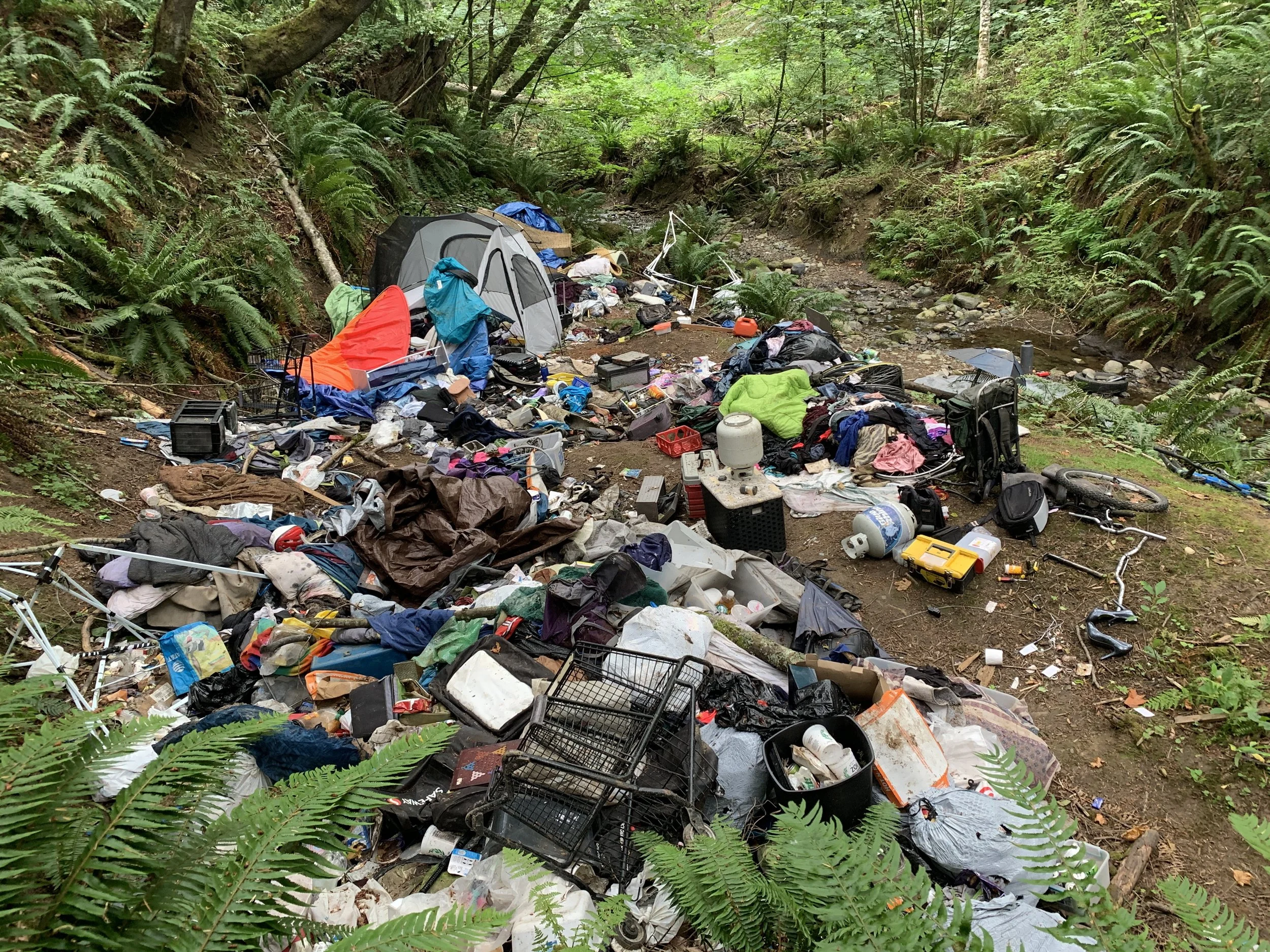
Around 2017, that began to shift. I noticed more people living outside, the emergence of encampments, and an increasing amount of trash left behind. This isn’t to say the issue didn’t exist before, but it had not yet encroached so visibly into shared public areas.
What troubled me most, however, was the behavior I began to witness. There seemed to be a growing disregard for the surrounding environment, with debris and garbage piling up. I found myself asking why. Was it addiction, mental health challenges, deepened despair, or some combination of all three? At the time, I didn’t have an answer.
The observation
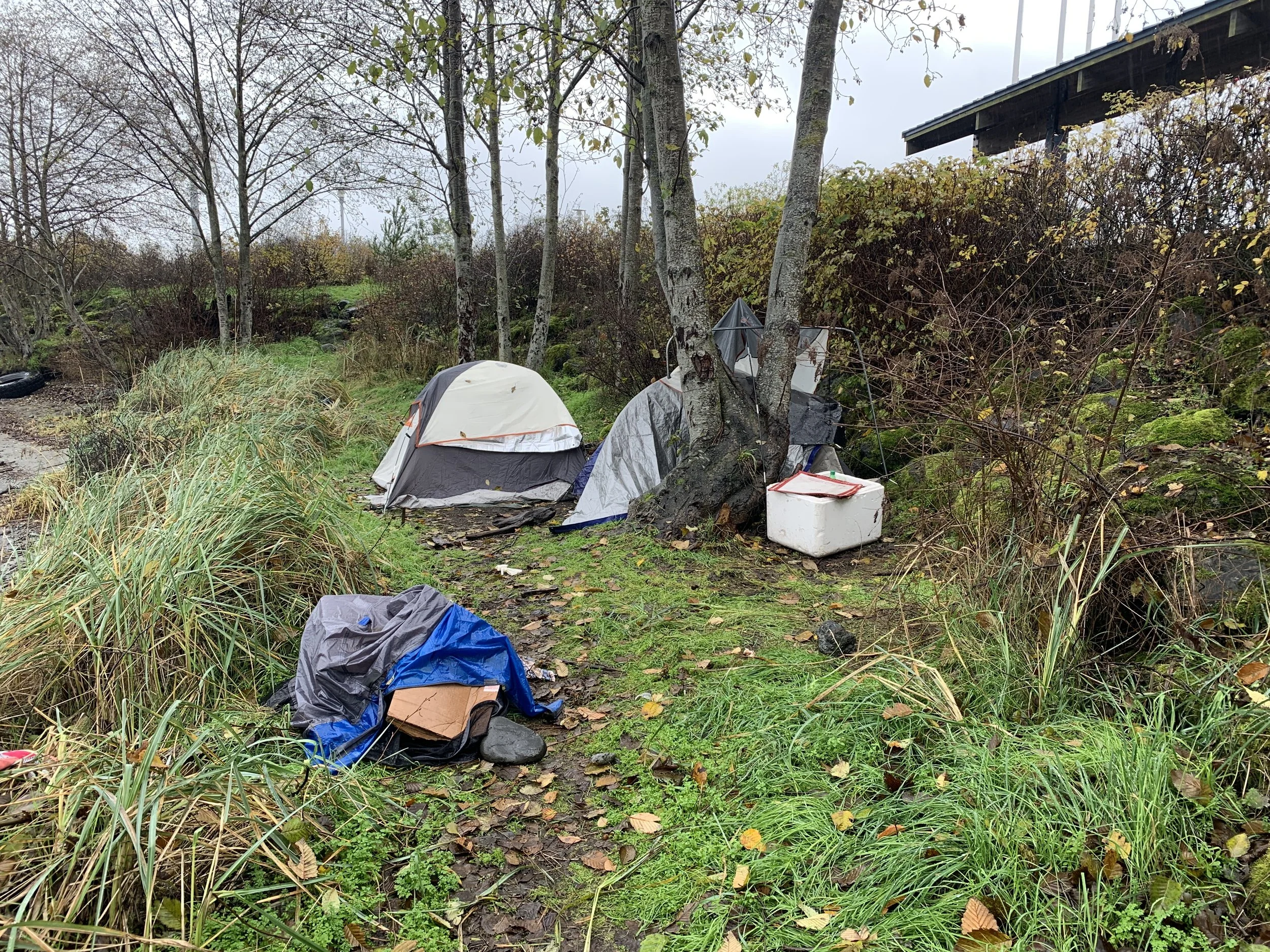
A few years later, homelessness moved to the forefront of public conversation as larger surrounding cities became overwhelmed.
It quickly became clear to me that what I was observing locally was a warning sign -our small community would soon face the same challenges.
I was born and raised in Port Angeles. This is home, where my family has deep roots. For more than 20 years, I’ve dedicated my life to helping others as a local faith leader, coach, volunteer, and small business owner.
Simply put, I care deeply about people. As the situation evolved, so did my concern - for both those living on our streets and for the overall wellbeing of our community. It was clear we were not prepared to adequately support individuals experiencing homelessness or address the broader impacts on our shared spaces.
My heart has always been to help people heal and rebuild their lives. But that work must happen alongside a commitment to the safety and wellbeing of the entire community.
A town unprepared
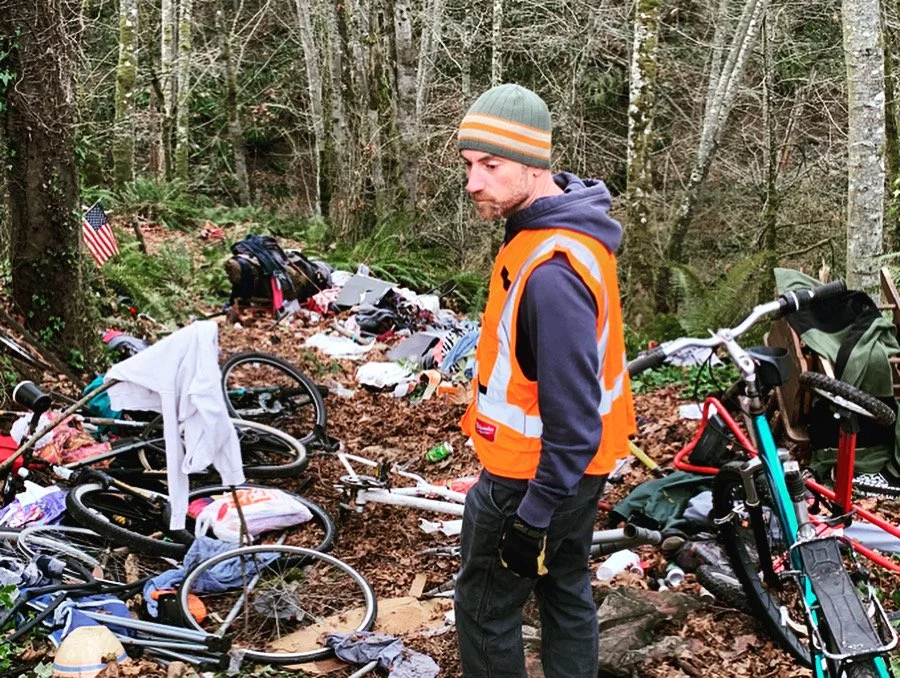
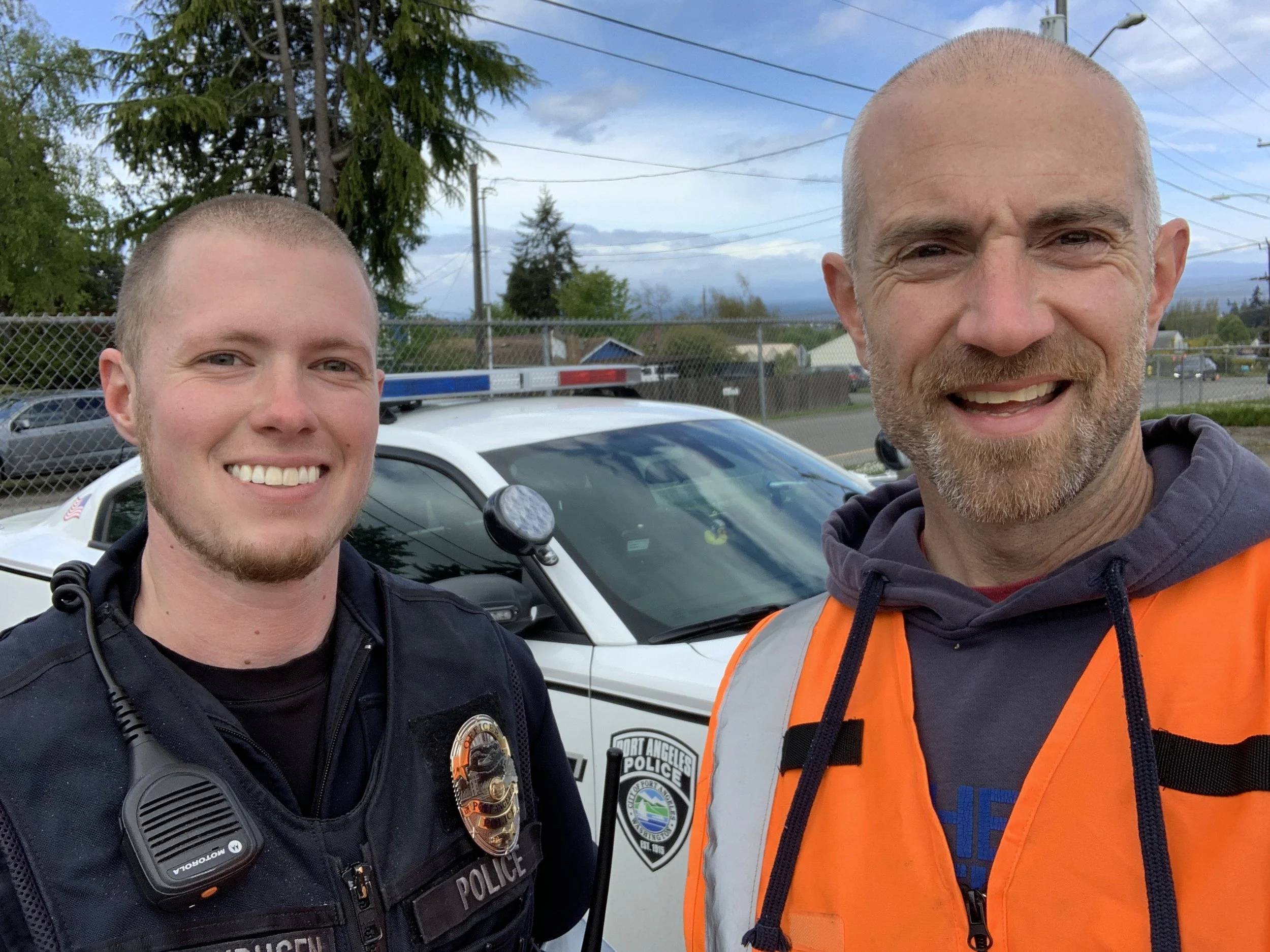
In 2019, I began asking questions and intentionally learning as much as I could about homelessness in Port Angeles. I met with city officials, law enforcement, social service providers, and volunteers involved in encampment cleanup, seeking to understand the issue from every angle.
As I identified individuals already working in this space, I volunteered when possible to observe how outreach and cleanup efforts were carried out. Through this process, I built strong working relationships with people across multiple areas of the field.
This period of listening and learning led me to form my own conclusions. While many dedicated people were working hard to address homelessness in our city, there were also clear gaps in the approach. Resources were stretched thin, and some of the most critical work needed to slow the growth of the problem was being overlooked.
It became my belief, and later the shared belief of the team I assembled, that cleanup efforts needed to be strengthened and a sense of pride restored in our public spaces. Our parks and natural areas cannot serve as a fallback shelter option. Long-term solutions require clear pathways to transitional housing, and those plans are far more effective when camping in public spaces comes to an end.
An idea taking shape
Of course, I want those experiencing homelessness to obtain stable housing as quickly as possible.
That said, a holistic approach in a small community like ours requires long-term thinking. A challenge that has developed over many years cannot be resolved overnight.
Prioritizing housing alone, without also establishing clear boundaries around encampments in public spaces, can ultimately do more harm than good. It leaves our city stalled, without moving people toward more appropriate and supportive locations. As a community whose economy depends on clean, well-cared-for natural spaces, we have a responsibility to protect them.
The approaches used in the past, often lacking clear structure or enforcement, have contributed to what we see today: growth in unsheltered populations rather than meaningful reduction.
Temporary shelters are a critical part of the solution, but only when implemented alongside measures that protect our public spaces.
From my perspective, enforcing no-camping rules in public areas is not callous. Port Angeles currently has an overnight shelter available to those who are willing and able to use it. That option exists while we continue the work of developing transitional and temporary housing solutions.
Big picture thinking
The strategy
The Touchstone Campus sits at the heart of this plan.
It is an innovative model that brings together transitional housing (up to 18 months), skills development, and intentional community building.
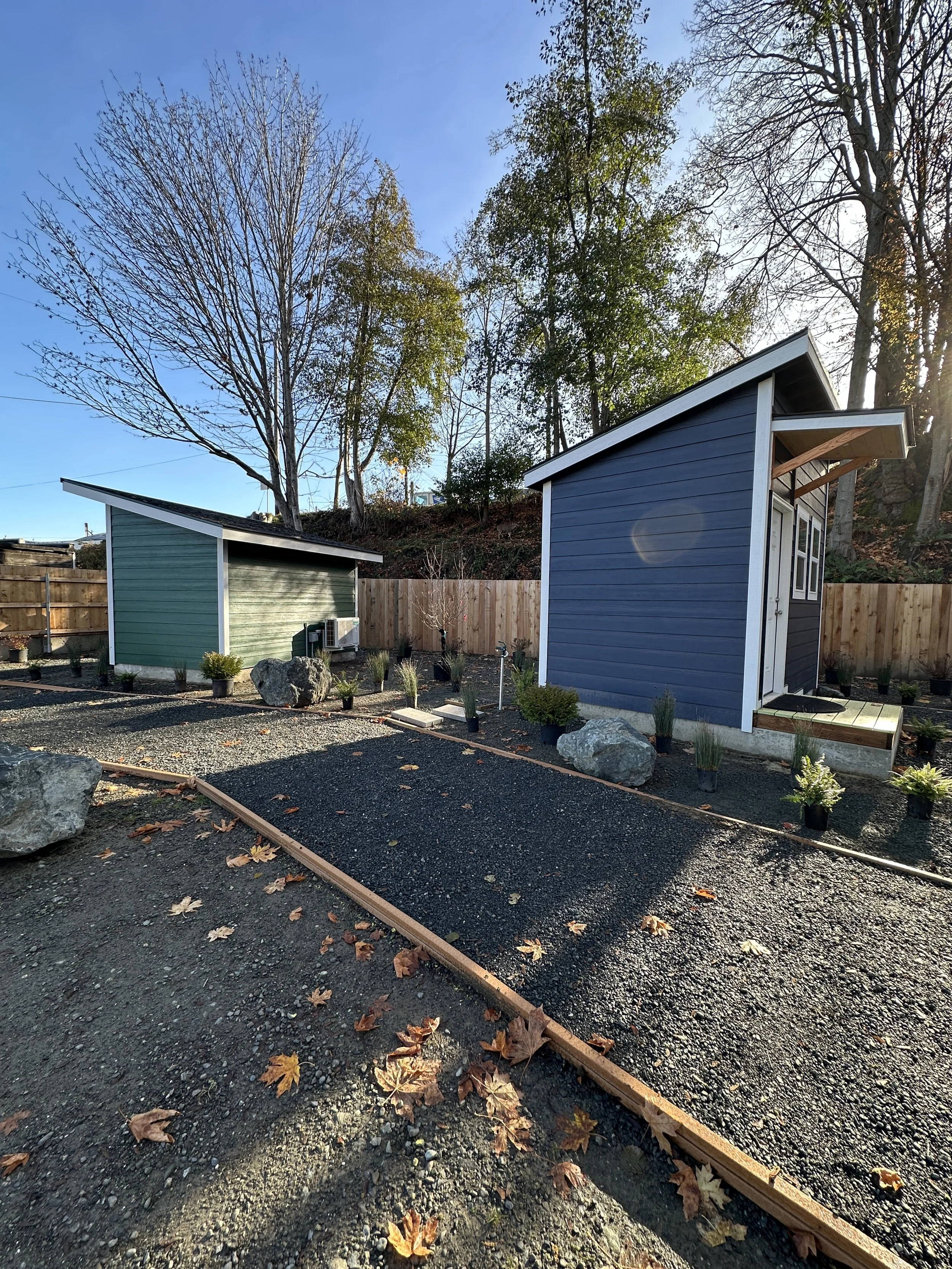
Currently under construction, the campus already has two shelters built and occupied. When complete, it will include a tiny home village with eleven units, a community commons building, and a small local business site.
With housing waitlists stretching years, these services fill a critical gap in our local safety net—offering stabilizing transitional housing alongside integrated resources that help residents build a path toward self-sufficiency.
4PA was carefully designed to address the needs of both our city and its residents living outside.
This is not a quick fix, but a long-term commitment to a sustainable solution.
My hope is that the mission is clear and the heart behind it is felt—to care for all who call this beautiful place home.
- Joe