We’ve been called the “Swiss Army knife” of local organizations - and that’s a good thing
What makes us so versatile in helping our community?
At 4PA, we’ve never shied away from the realities of homelessness.
From the very beginning, we’ve learned by being present on the ground—listening, adapting, and meeting people where they are. Over time, that approach has shaped who we are: quick to respond when something needs attention, deeply connected through our network of local partners, and always willing to try new ideas when the old ways aren’t enough.
When people are living outside without access to proper sanitation, it can create unsafe and unhealthy conditions—not just for them, but for the entire community.
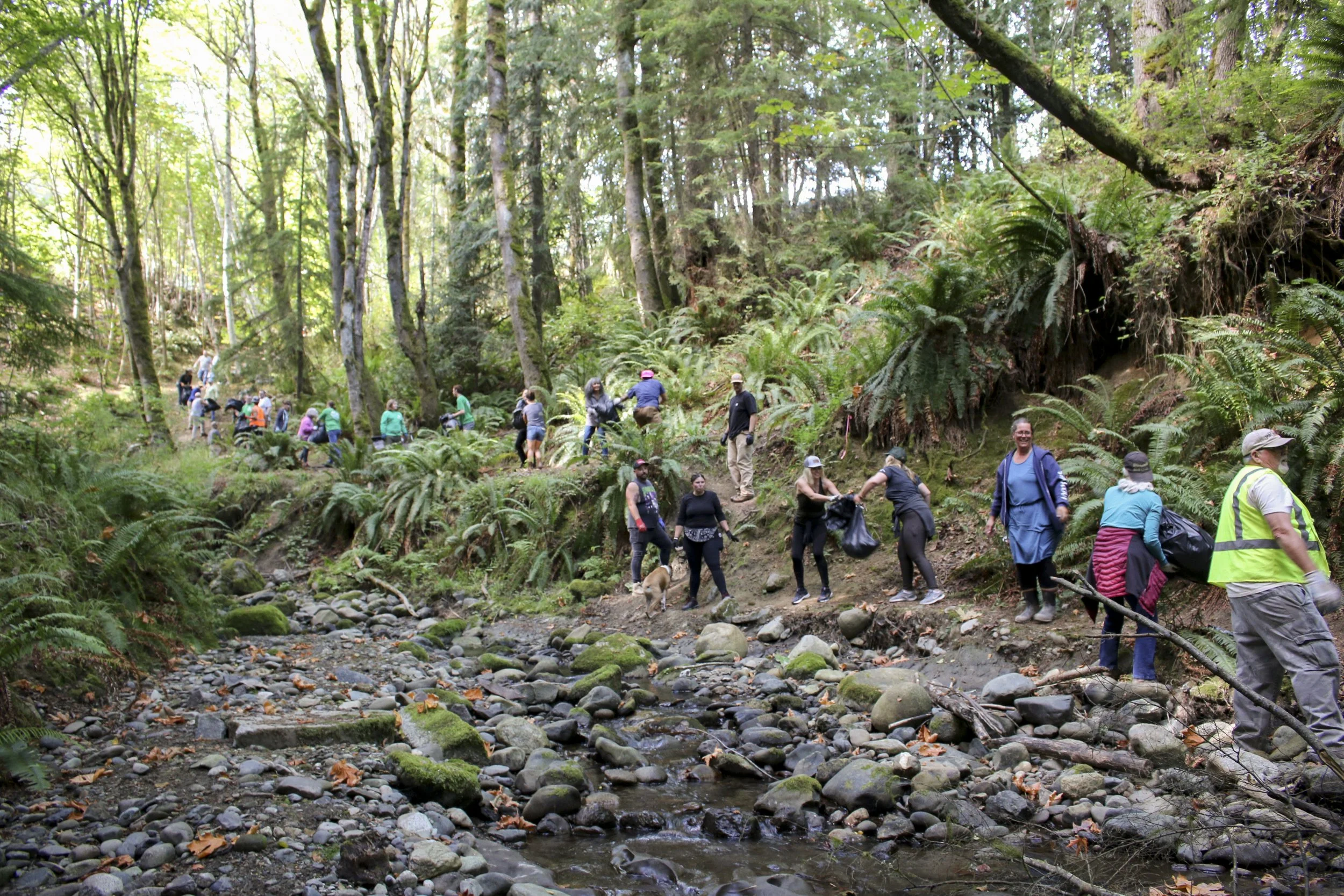
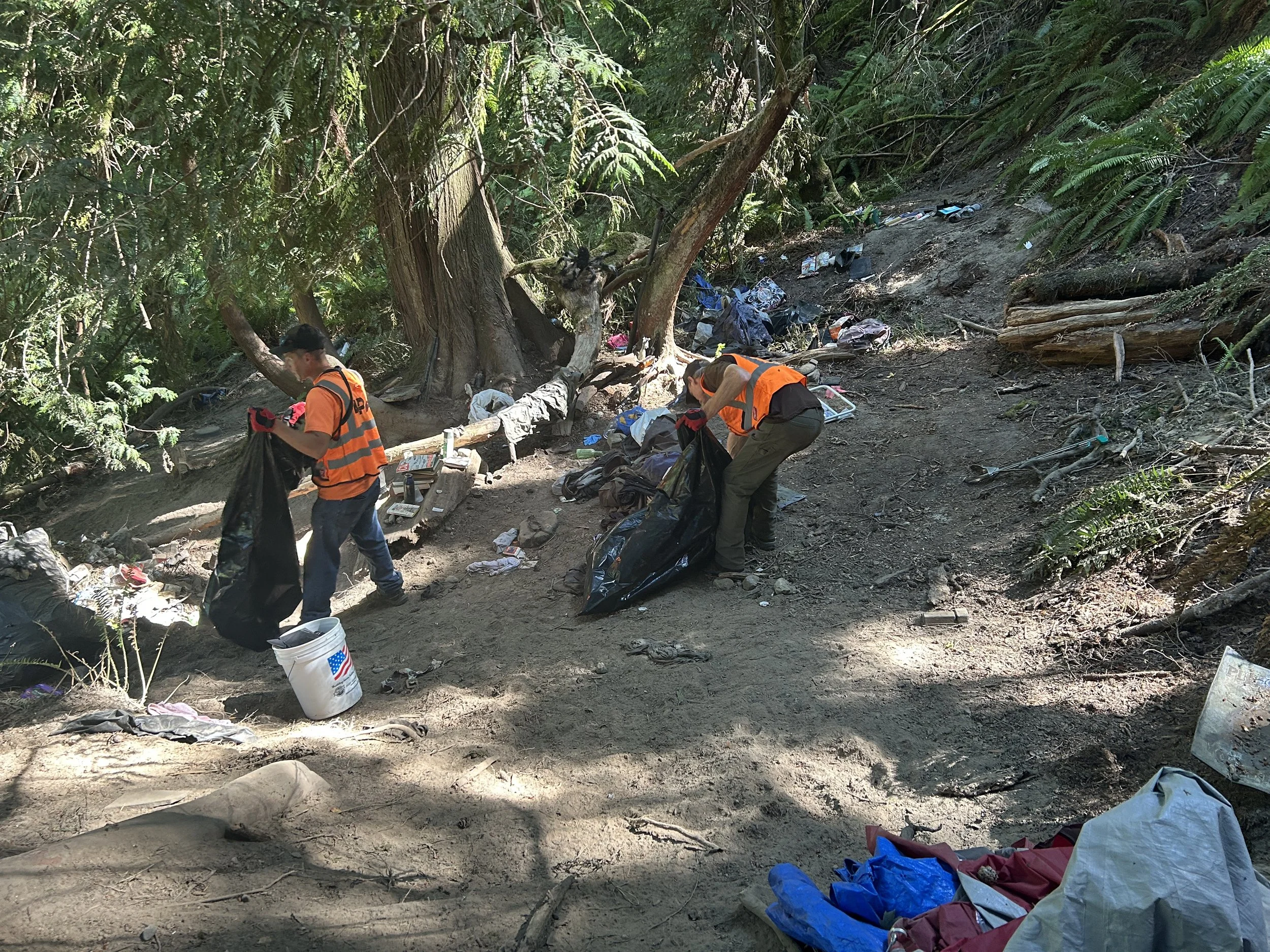
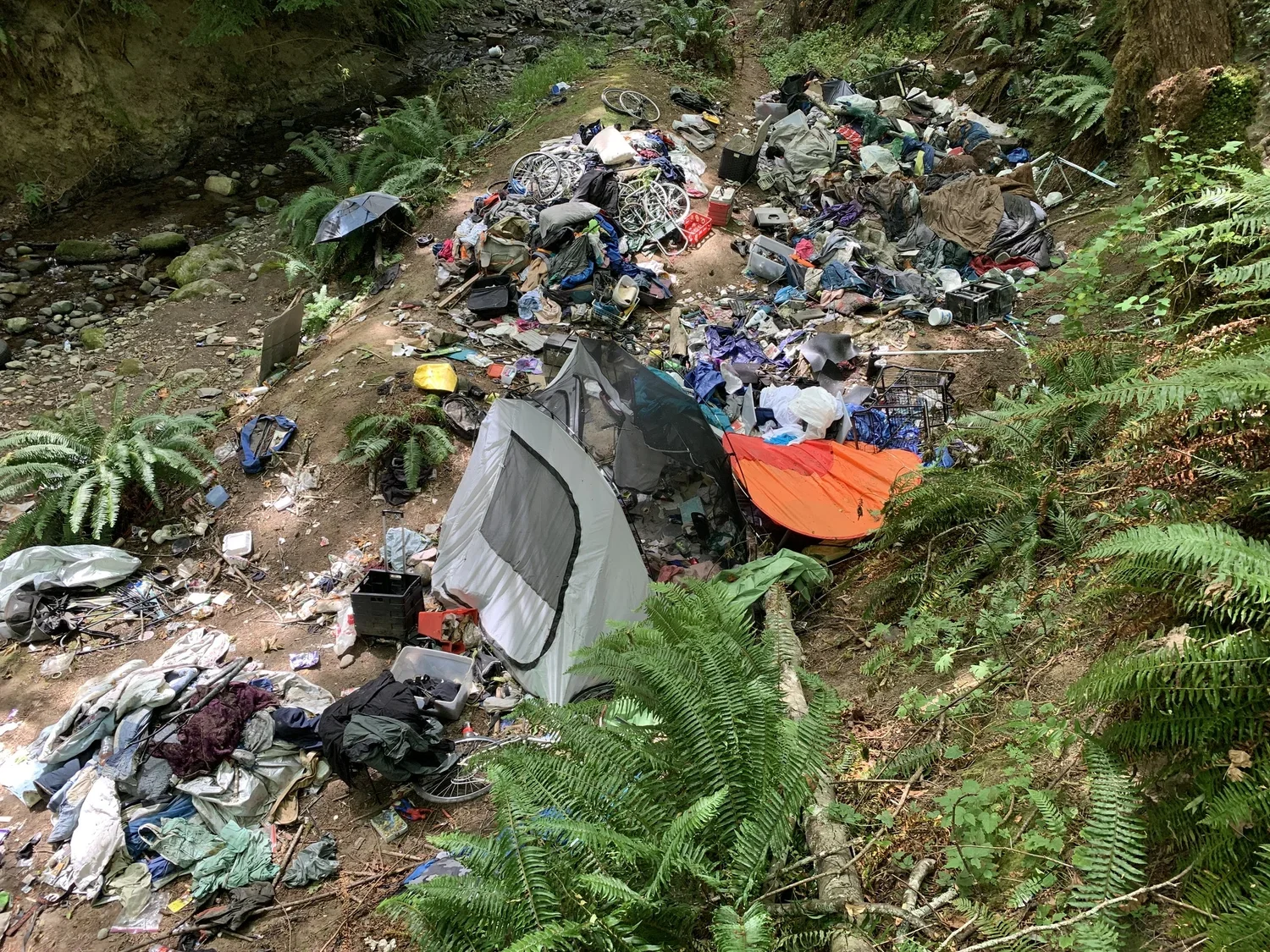
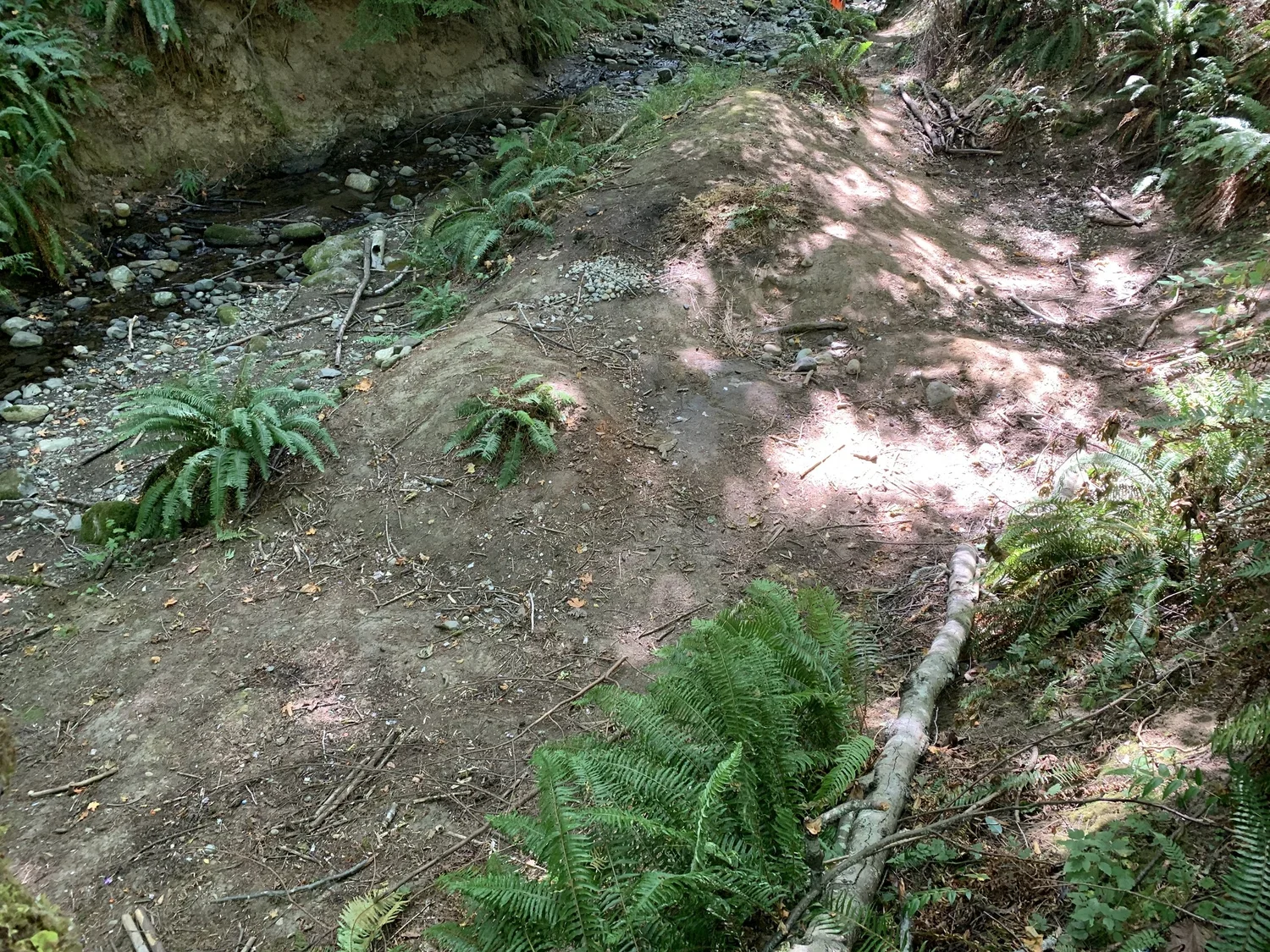
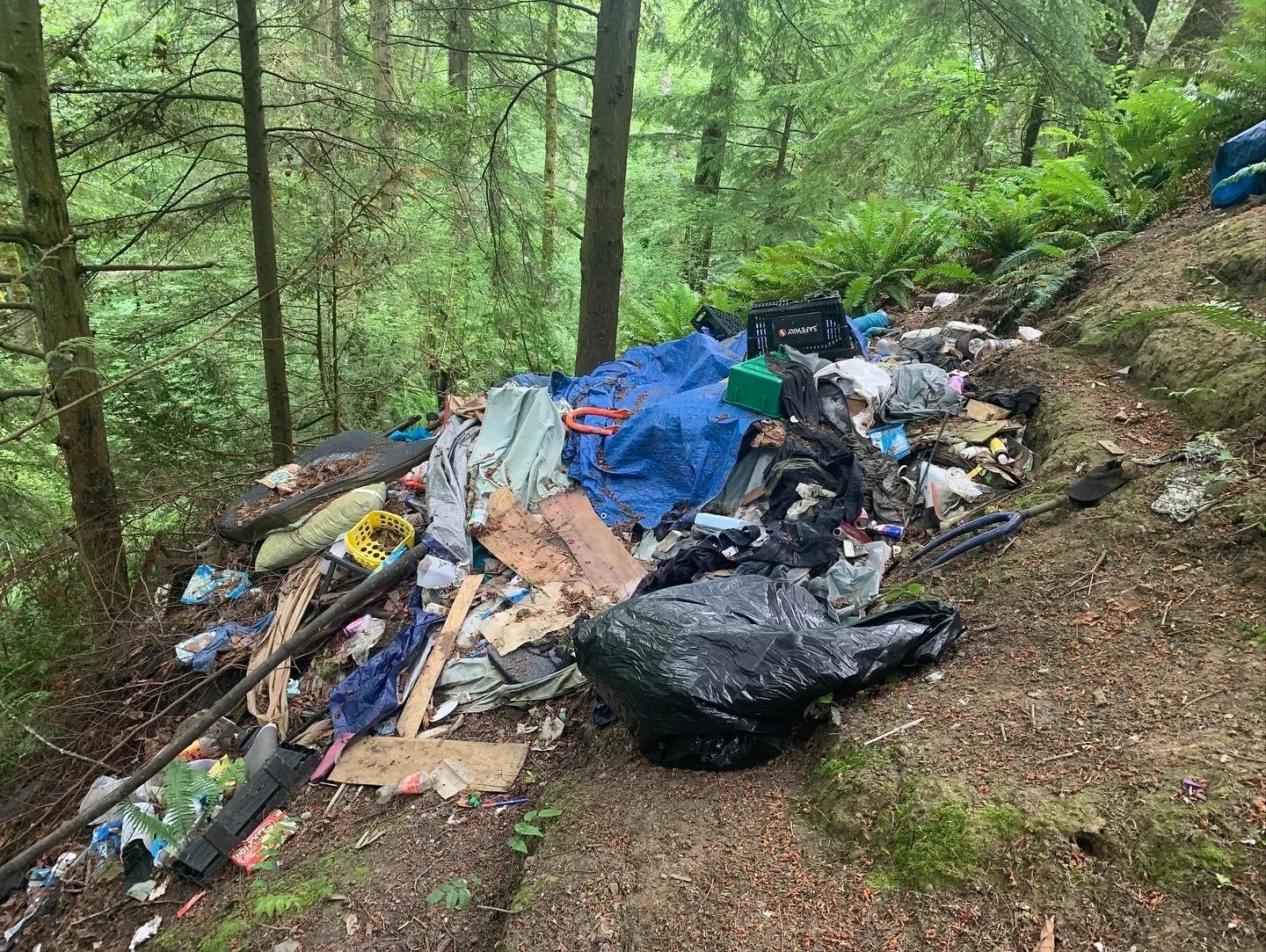
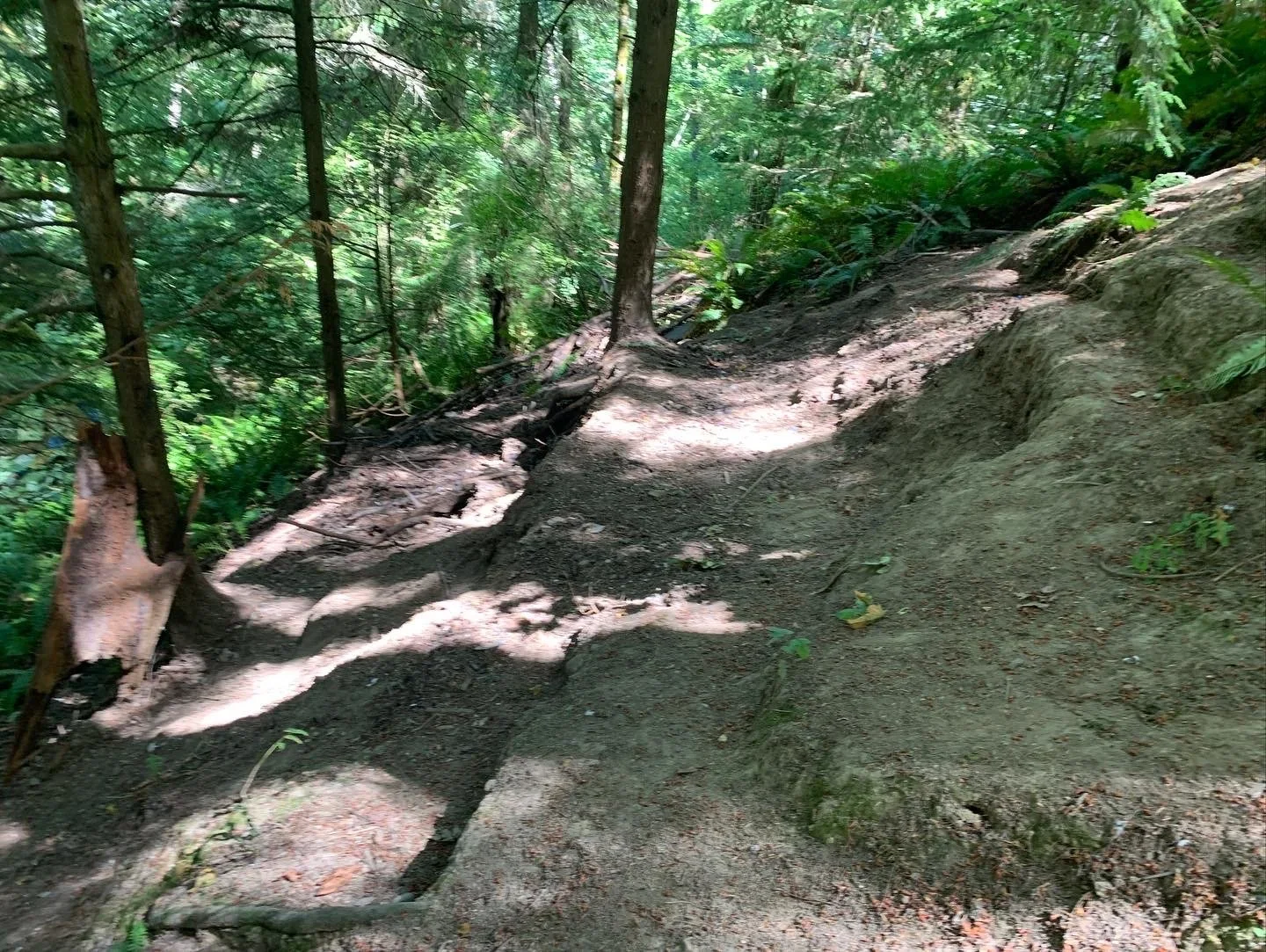
If those sites spill into public spaces or fragile watersheds, the impact becomes even greater. That’s why we go out into the field, not only to clean up what’s left behind, but to connect with the people living there and find better ways forward.
Since 2021, this commitment has led us to remove more than 497,000 pounds of debris from our city and waterways. Our cleaning crew now operates six days a week, working side by side with outreach teams, city staff, and law enforcement.
Along the way, 4PA has grown into something more than a cleanup organization—we’ve become a trusted place to turn for help, information, and hope.
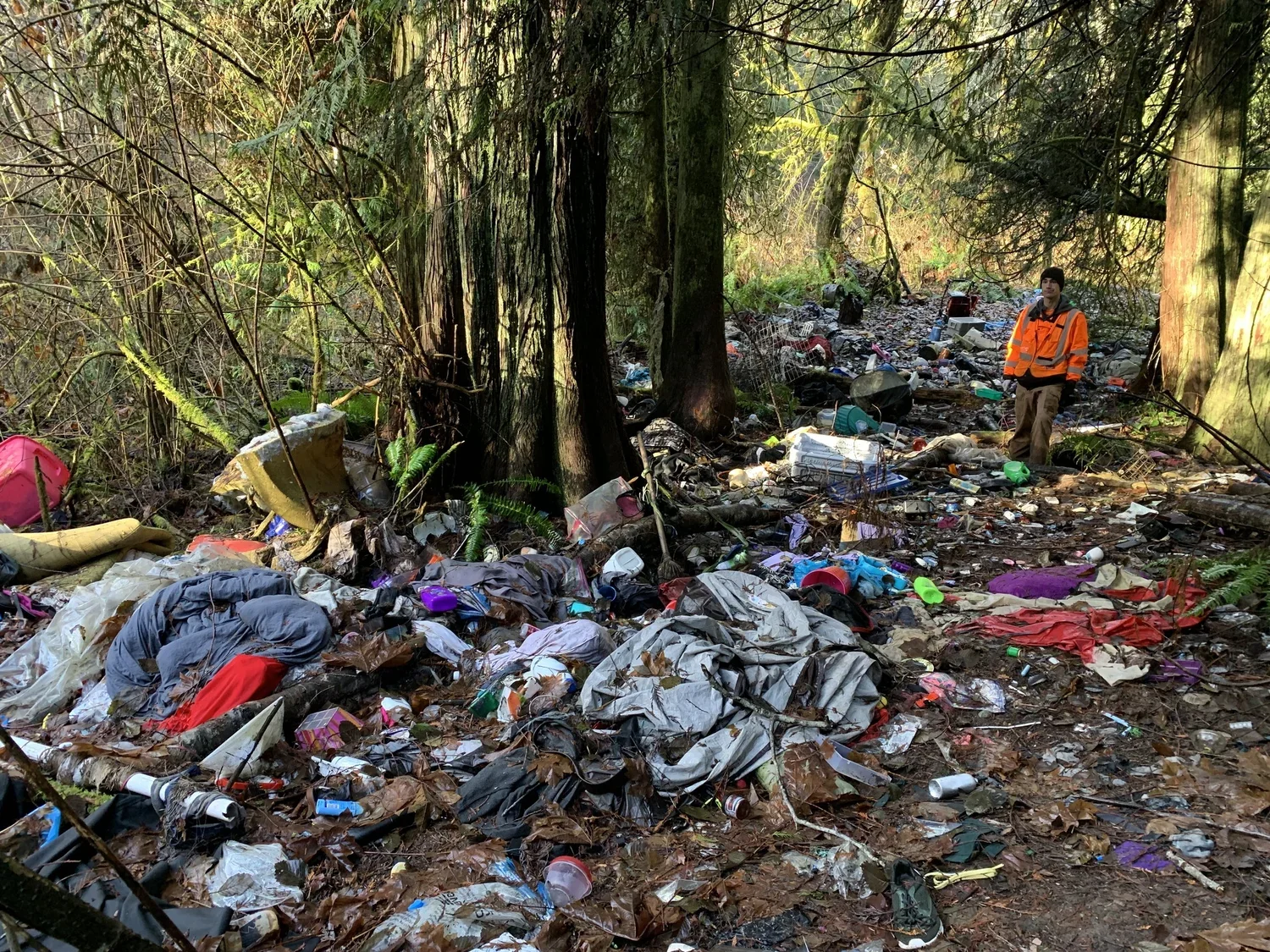
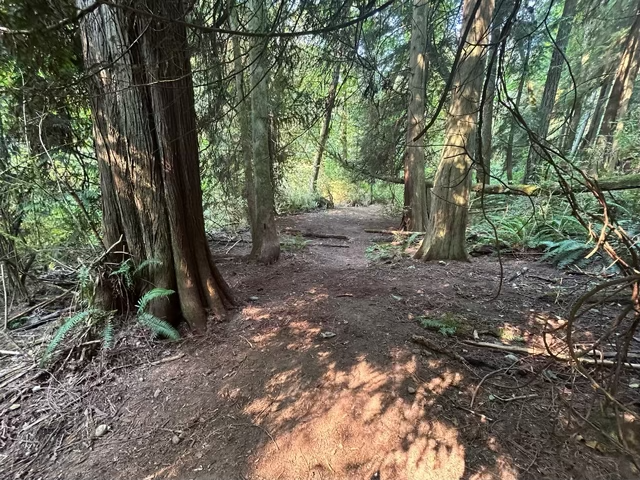
Before & After
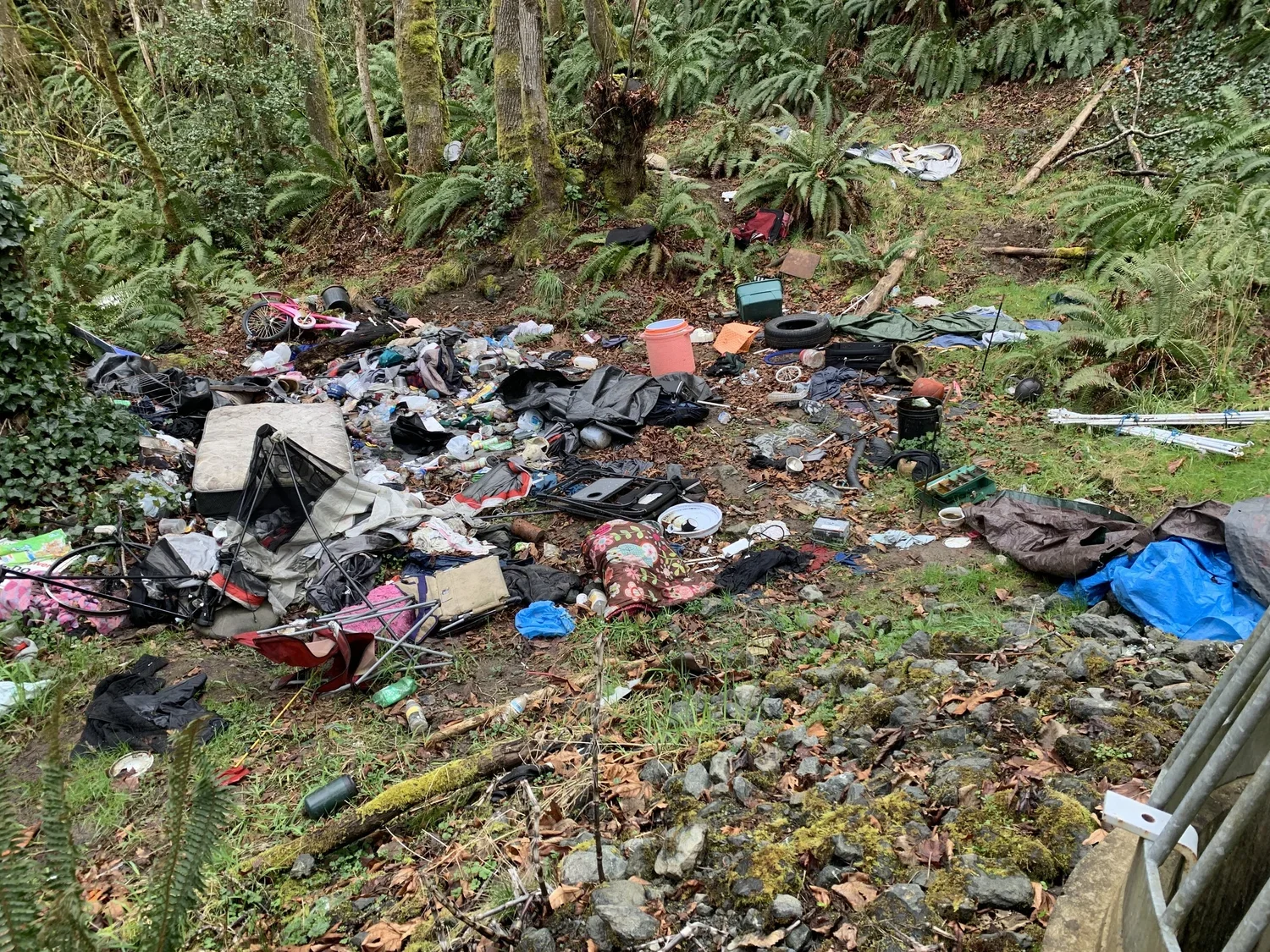
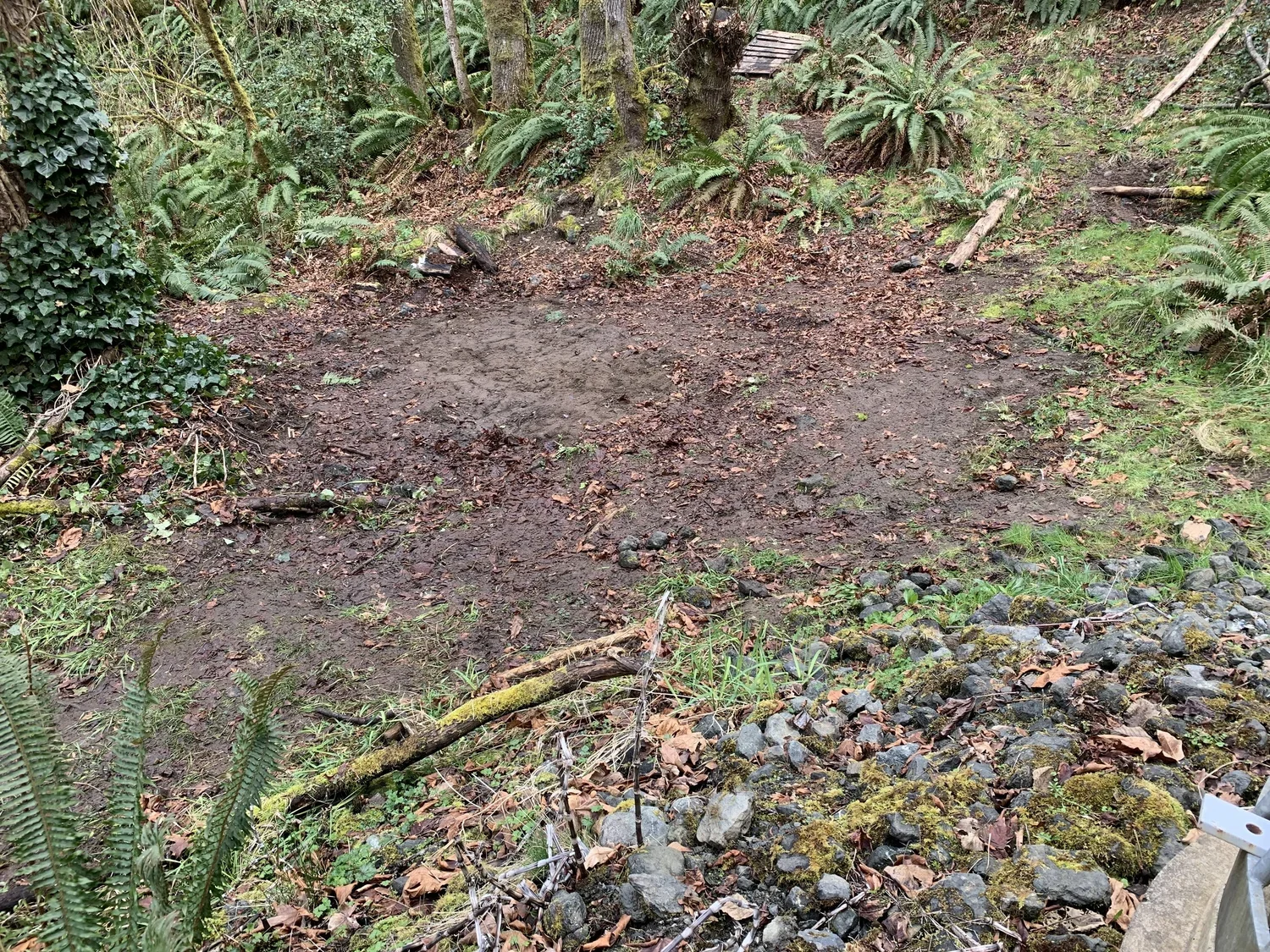
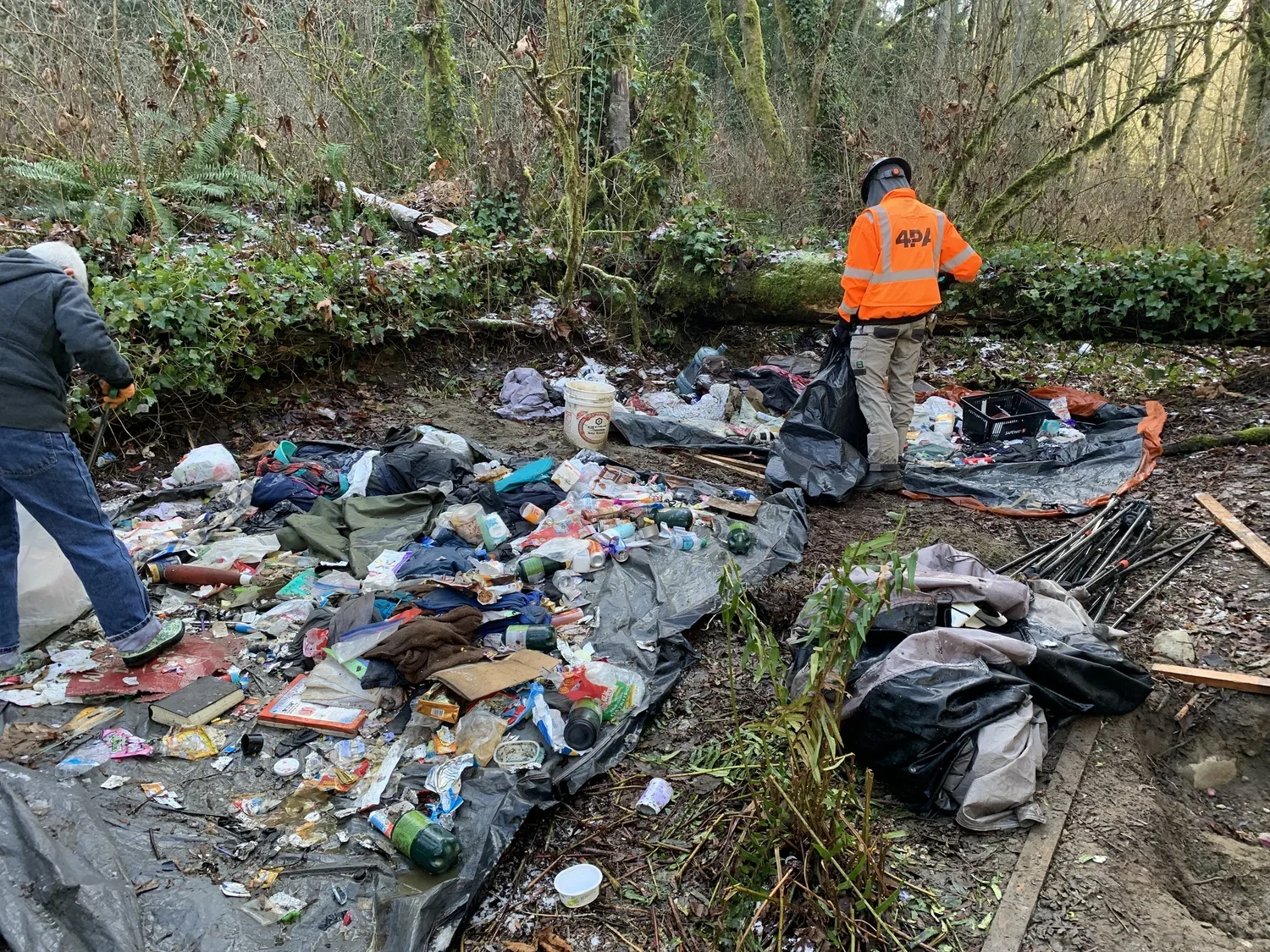
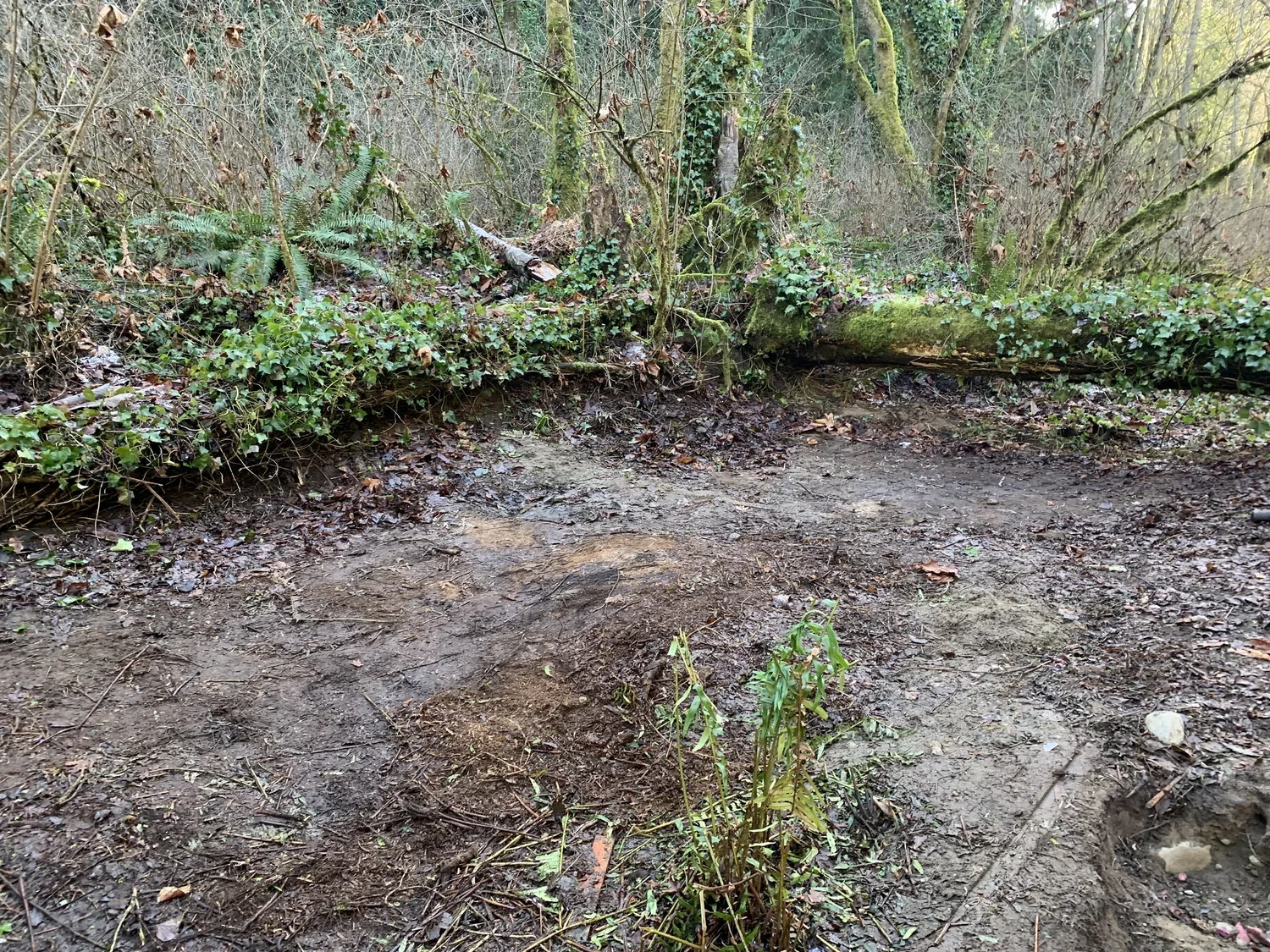
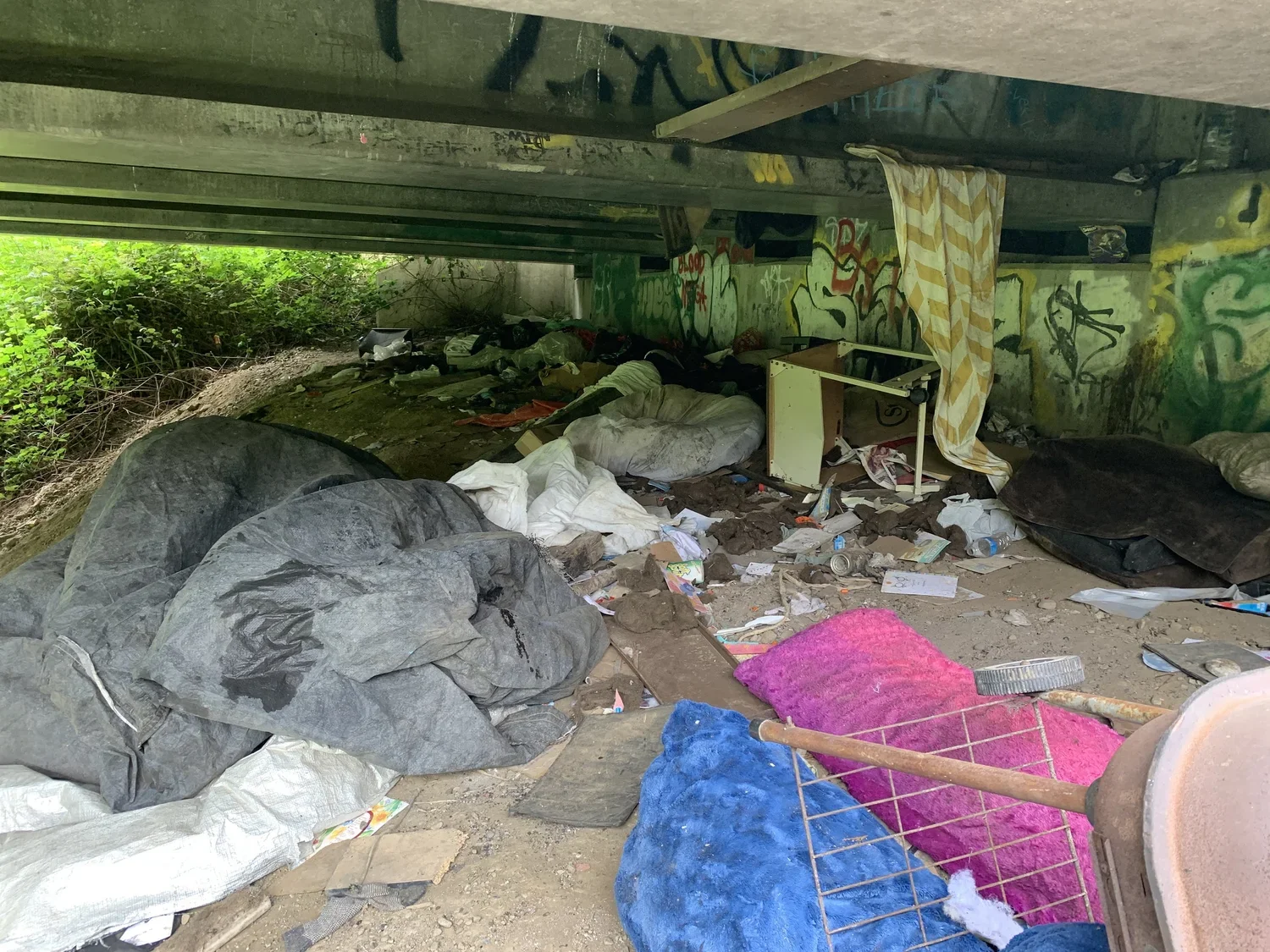
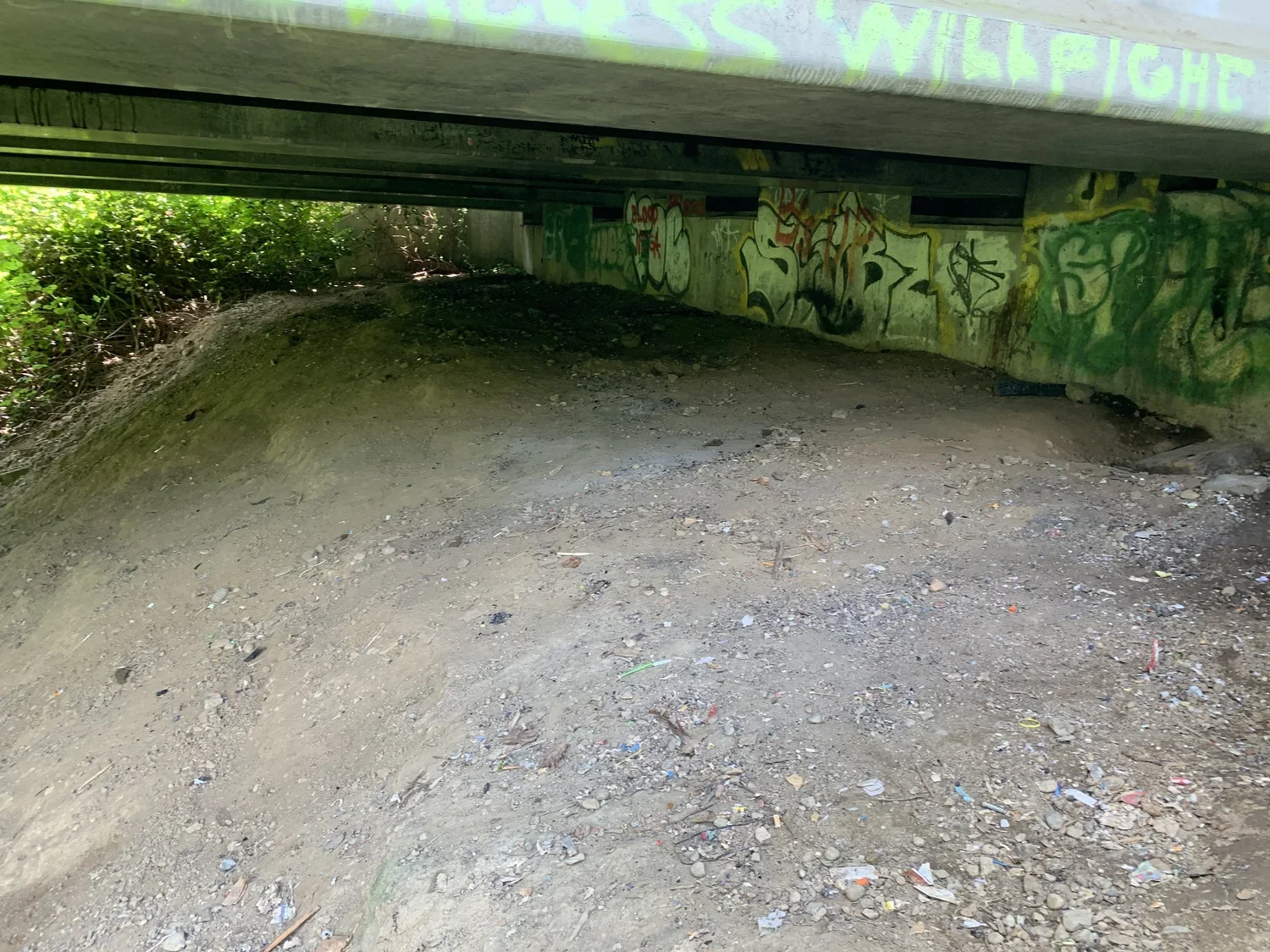
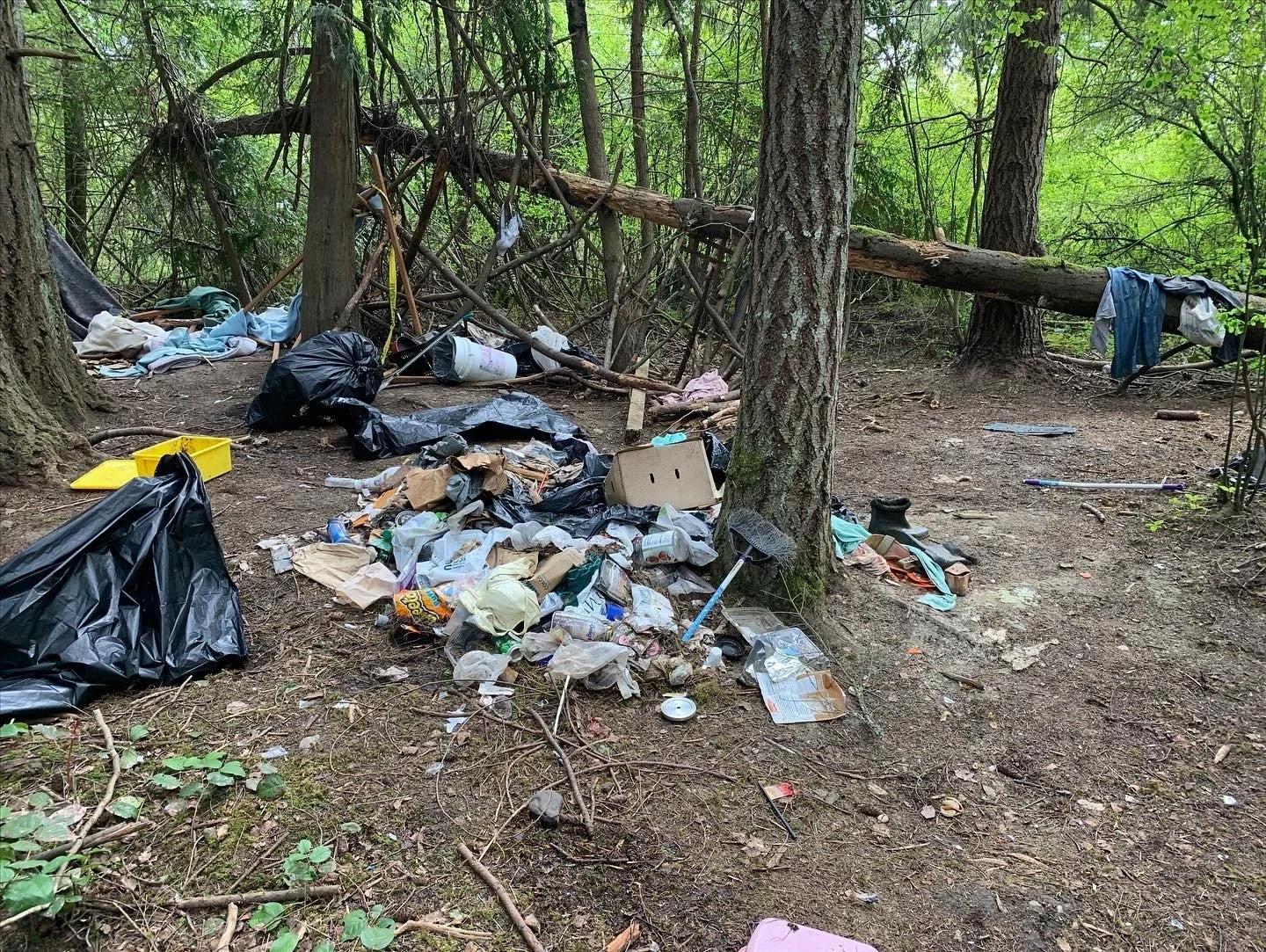
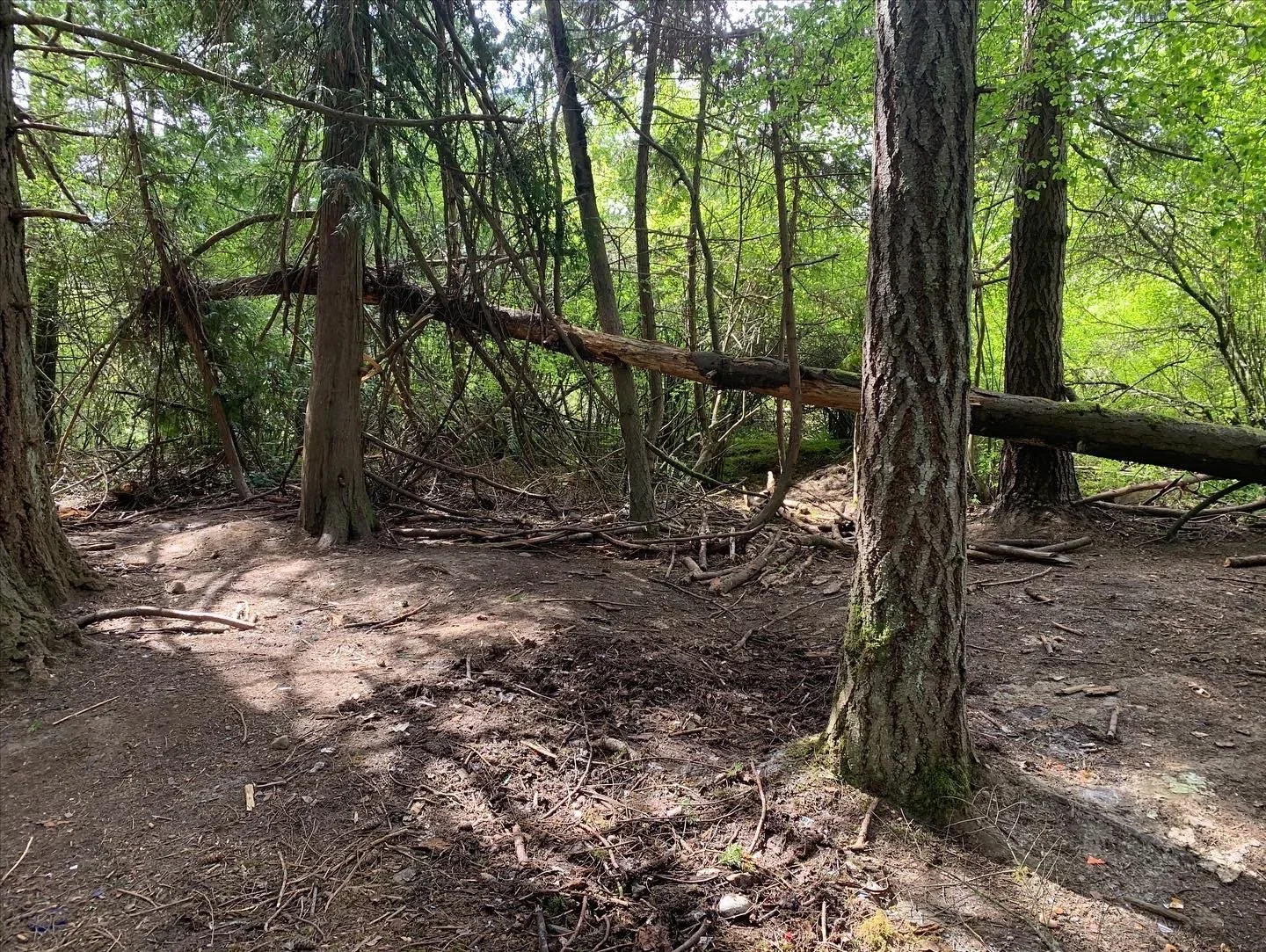
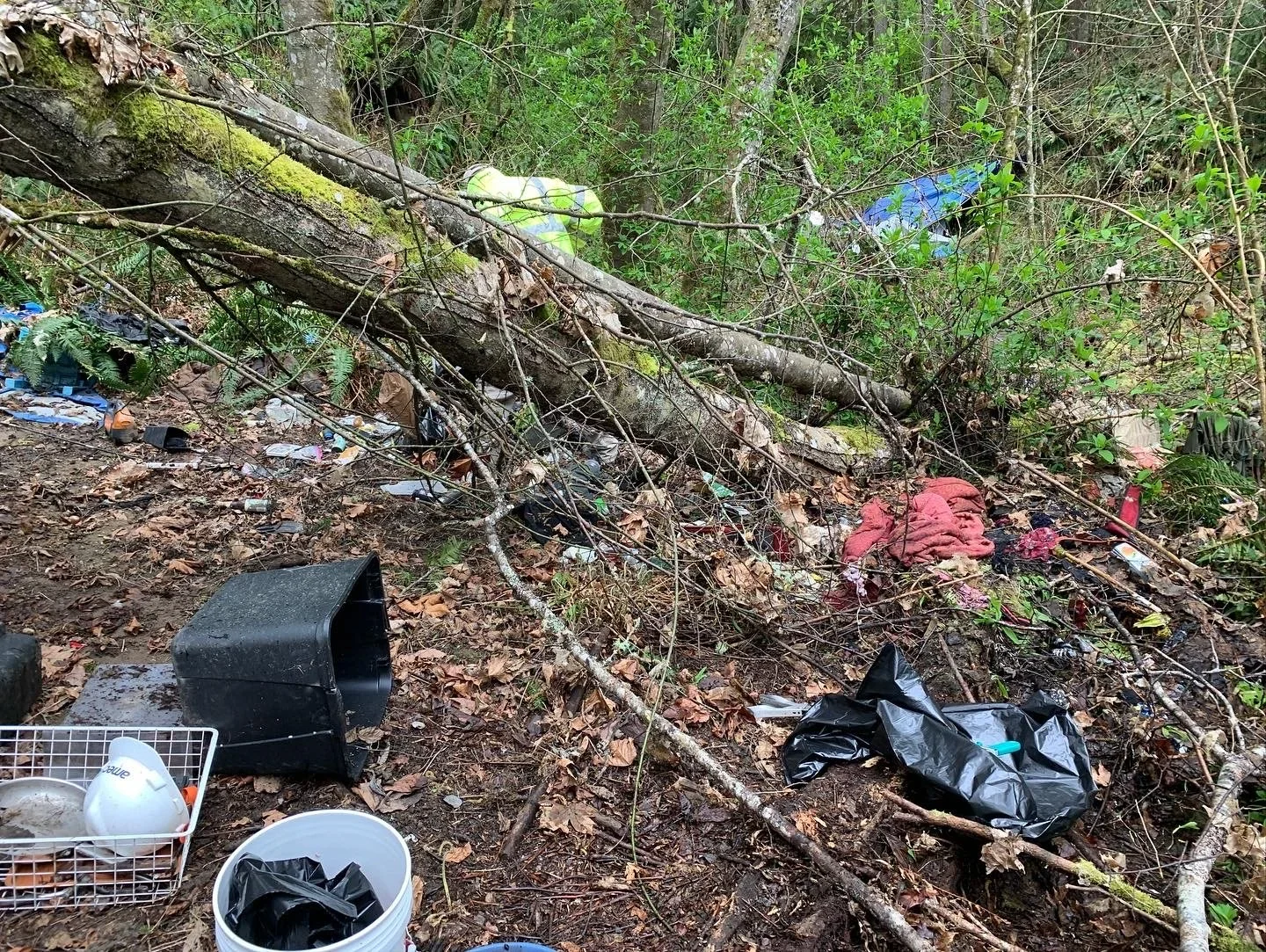
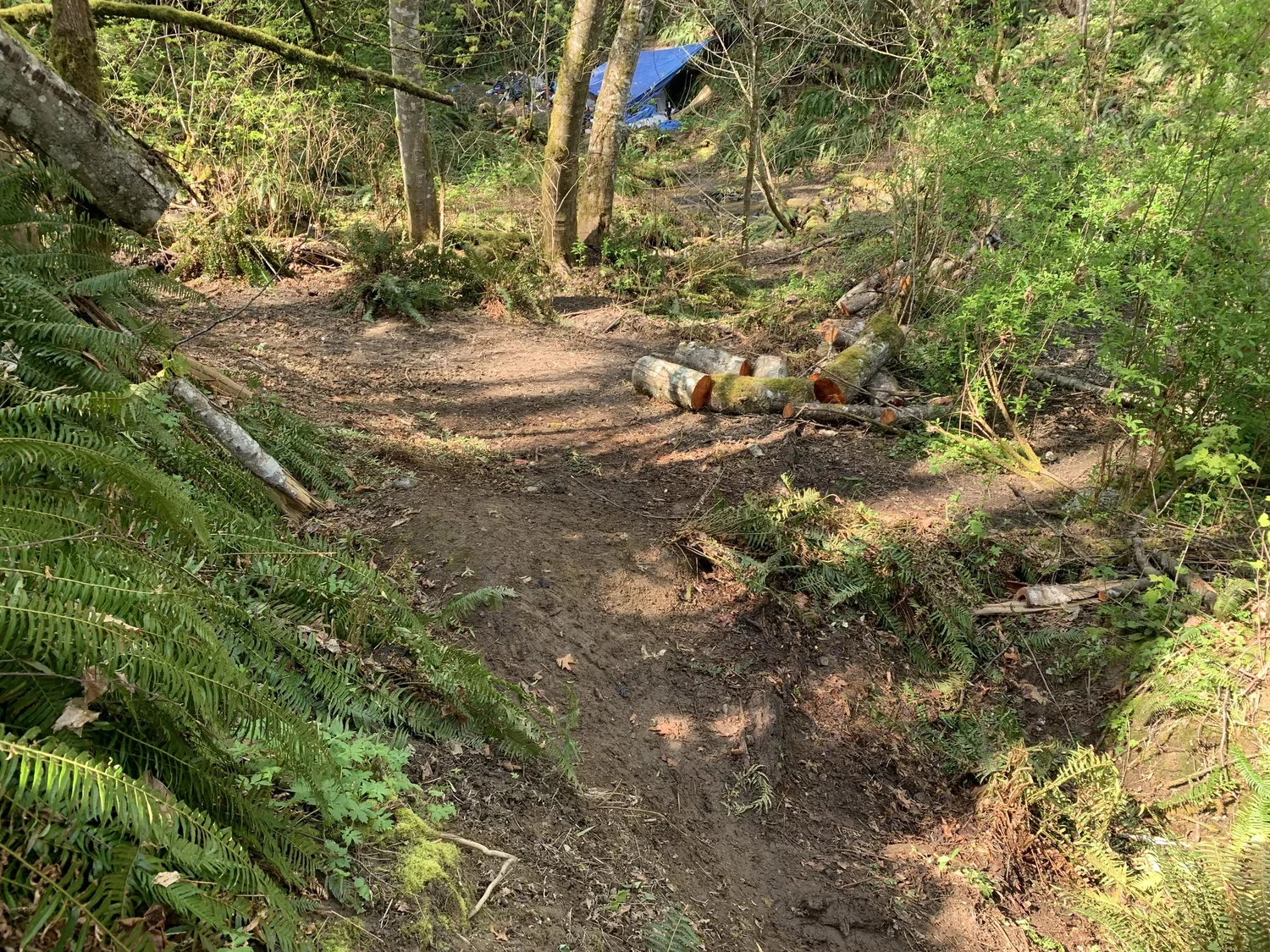
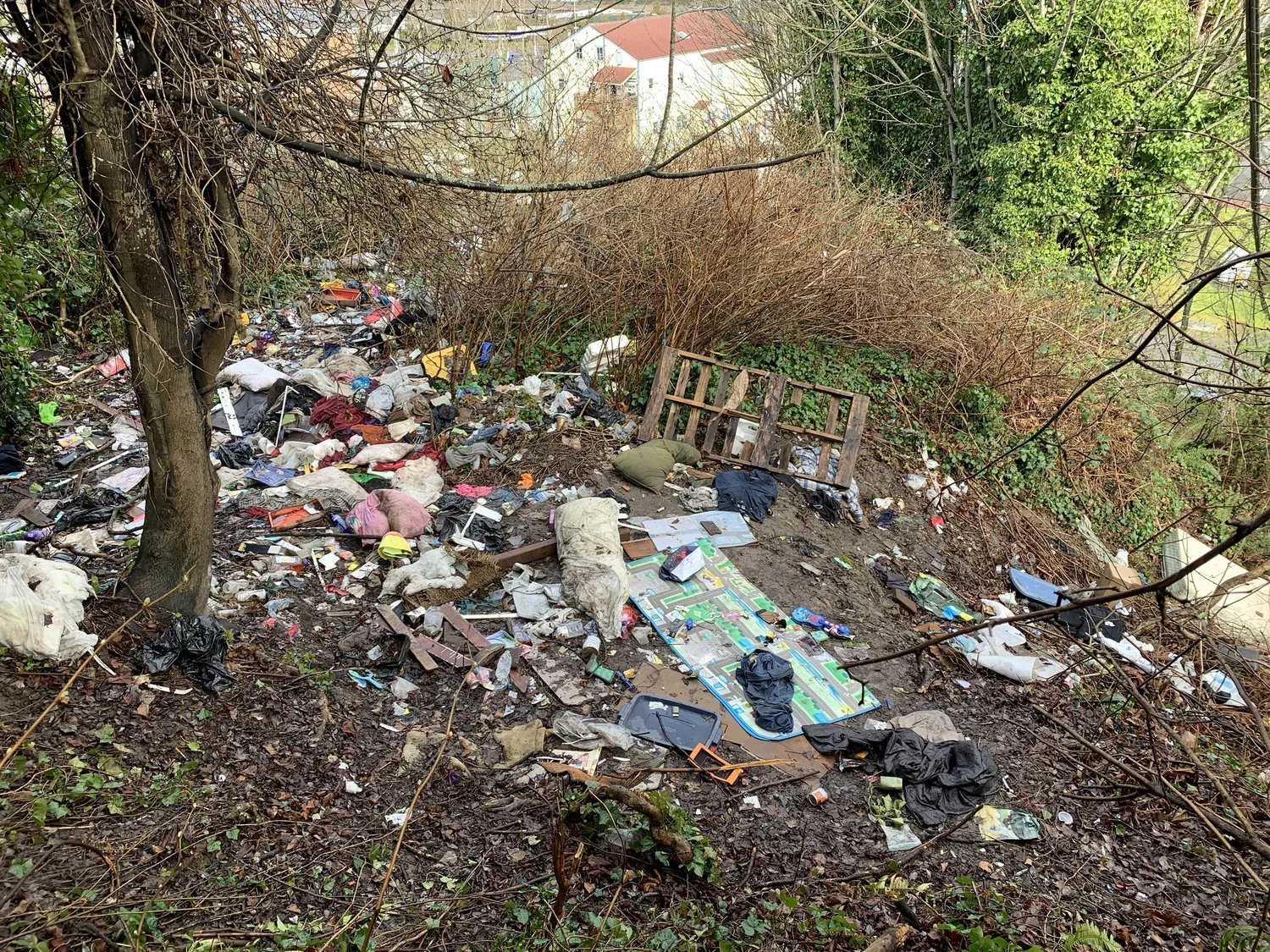
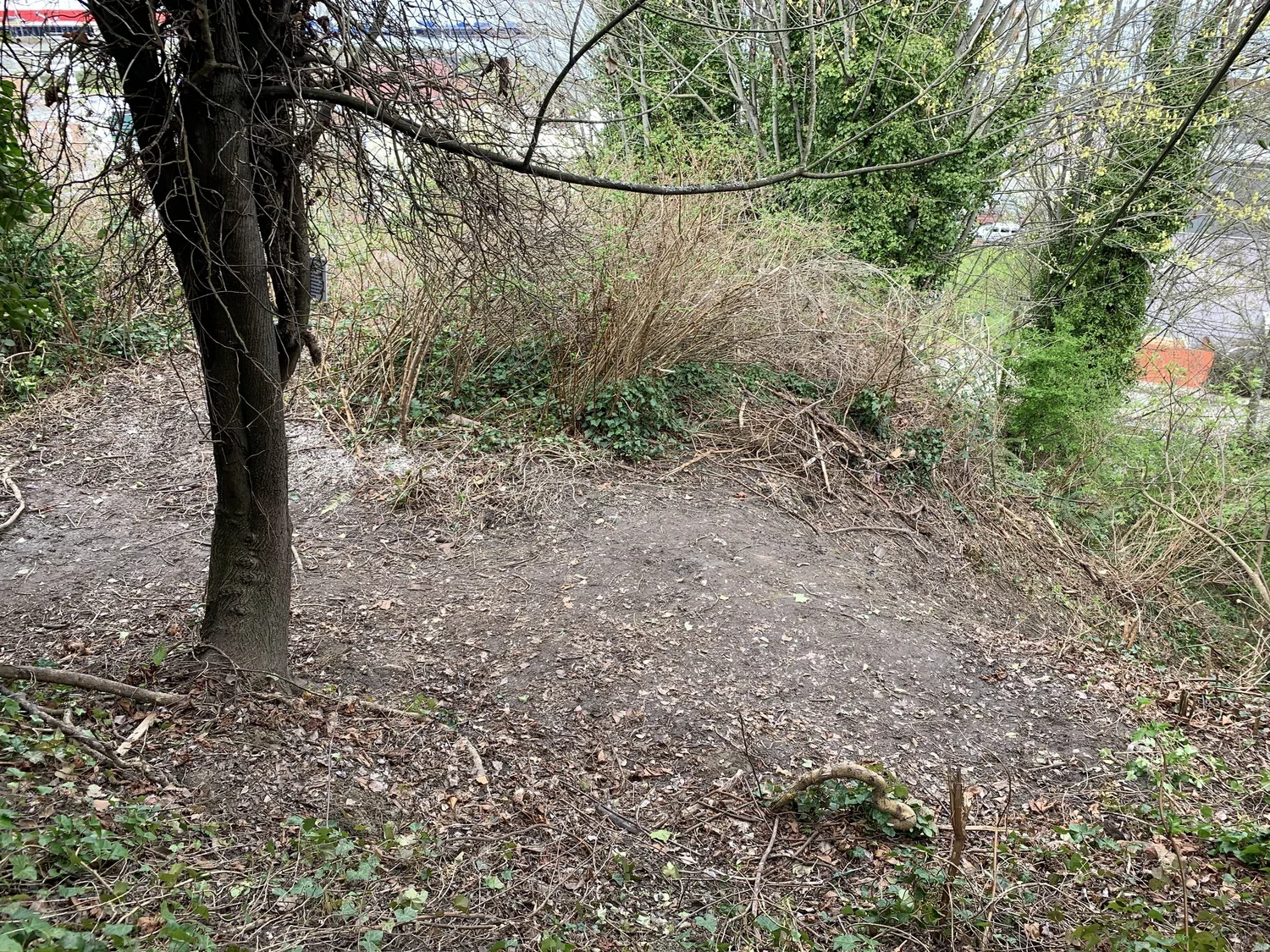
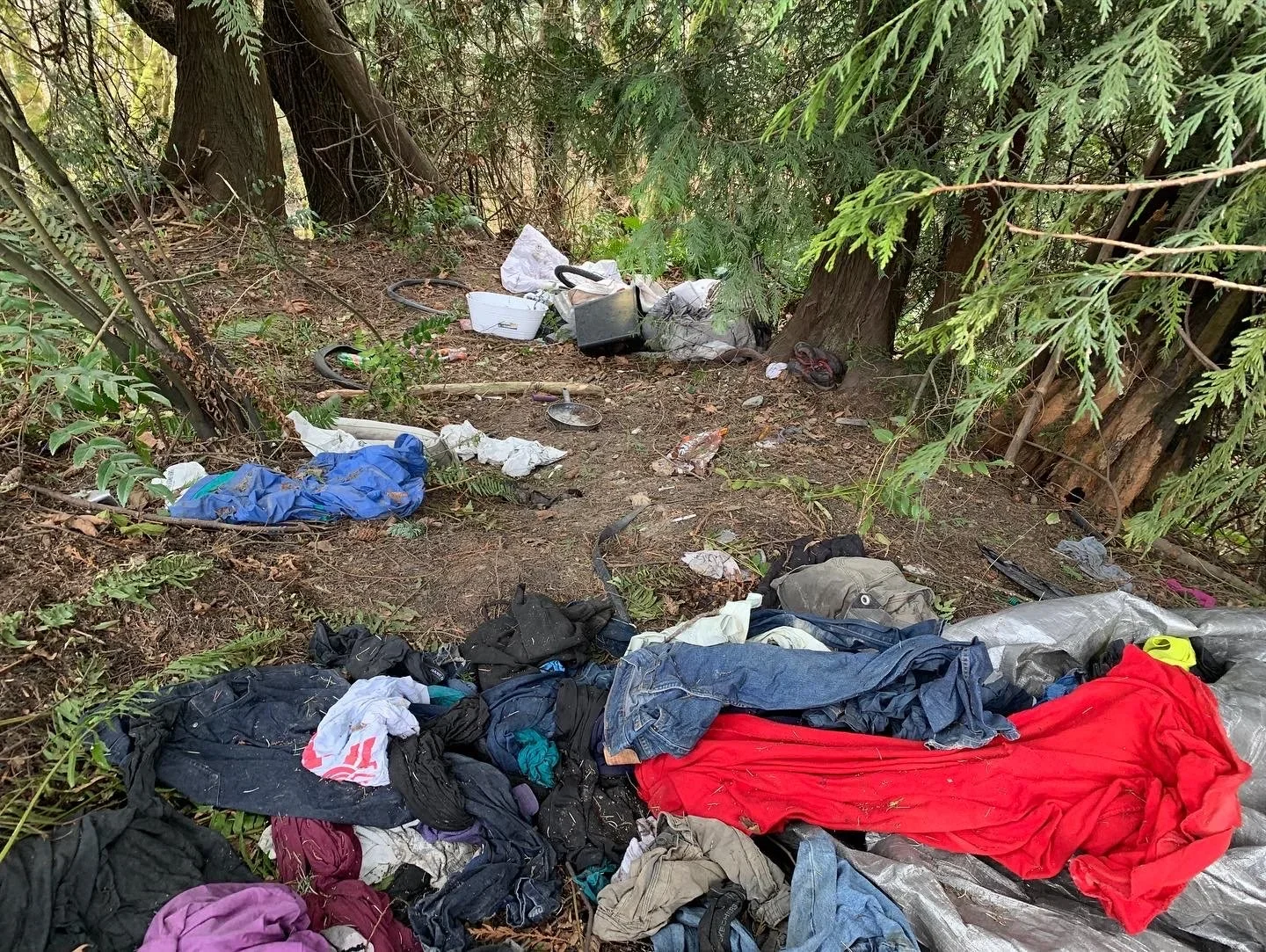
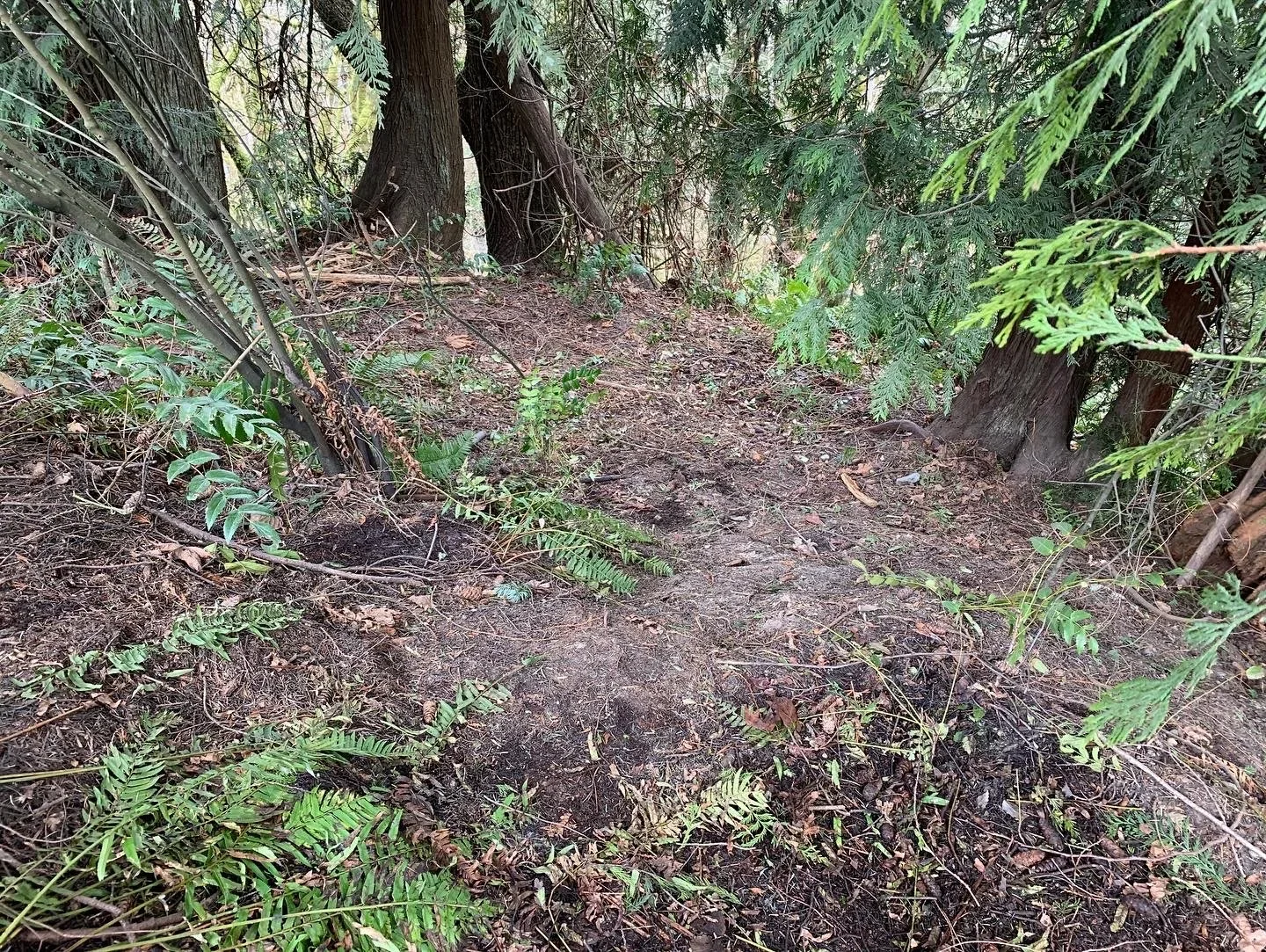
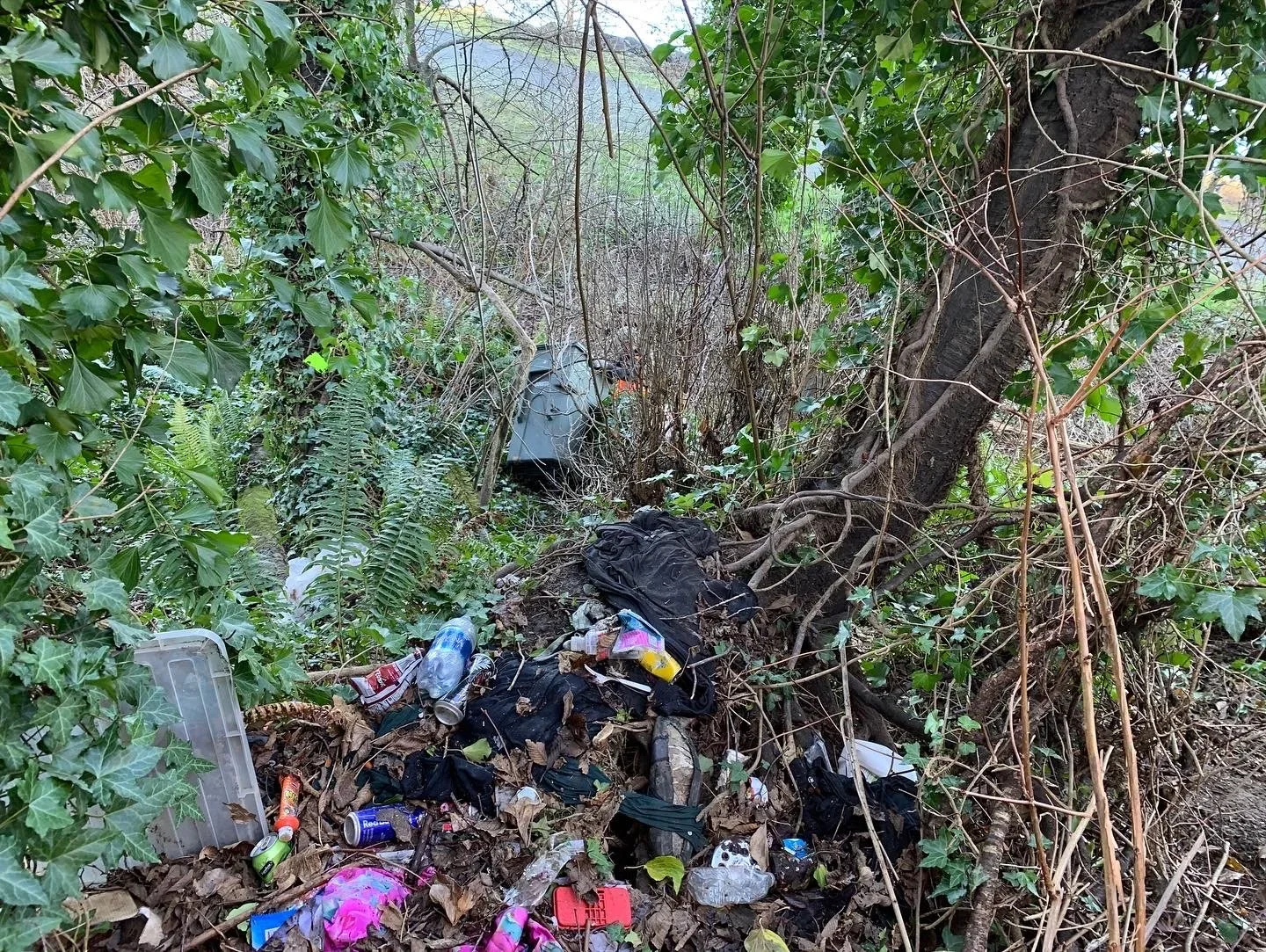
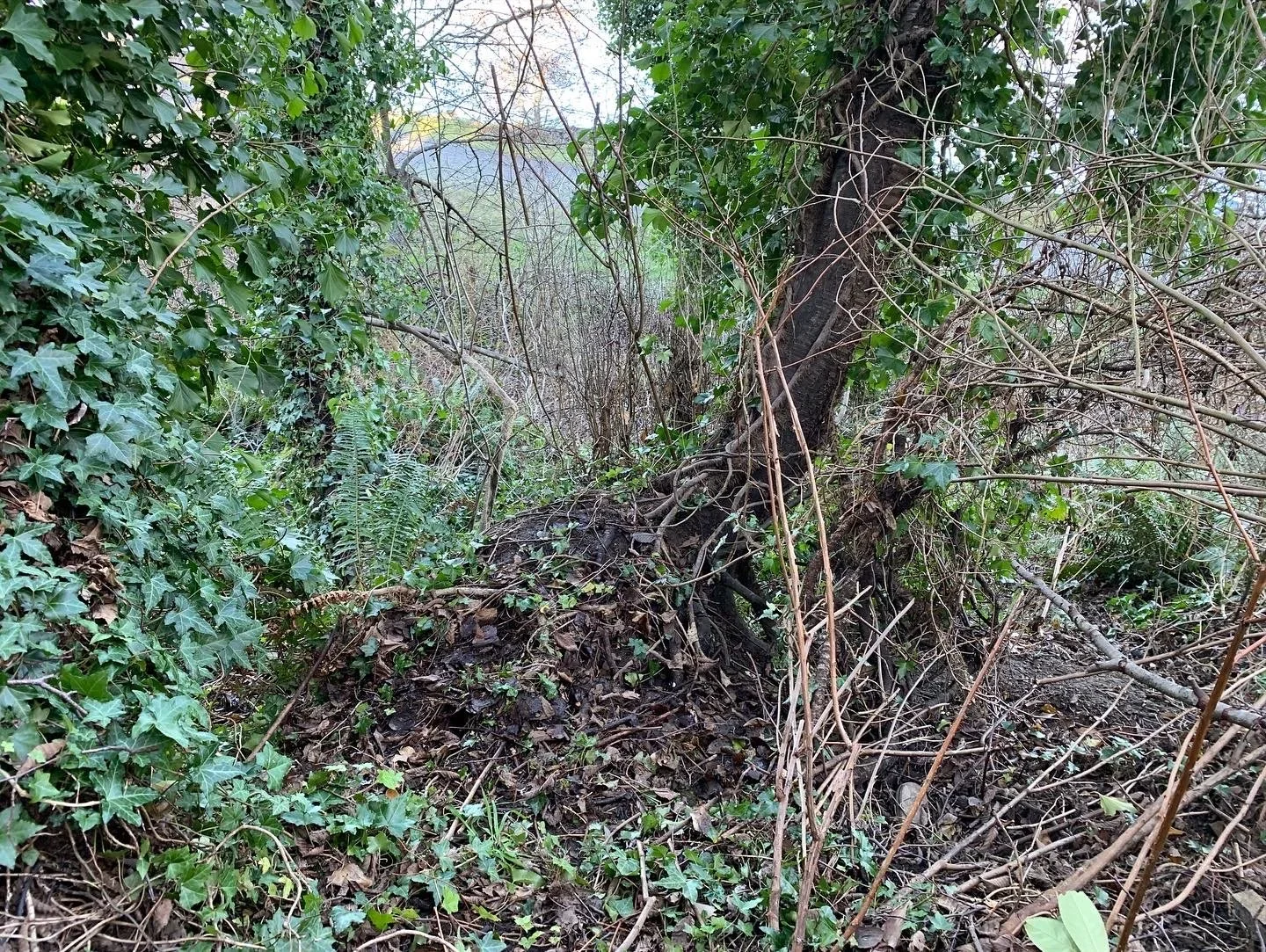
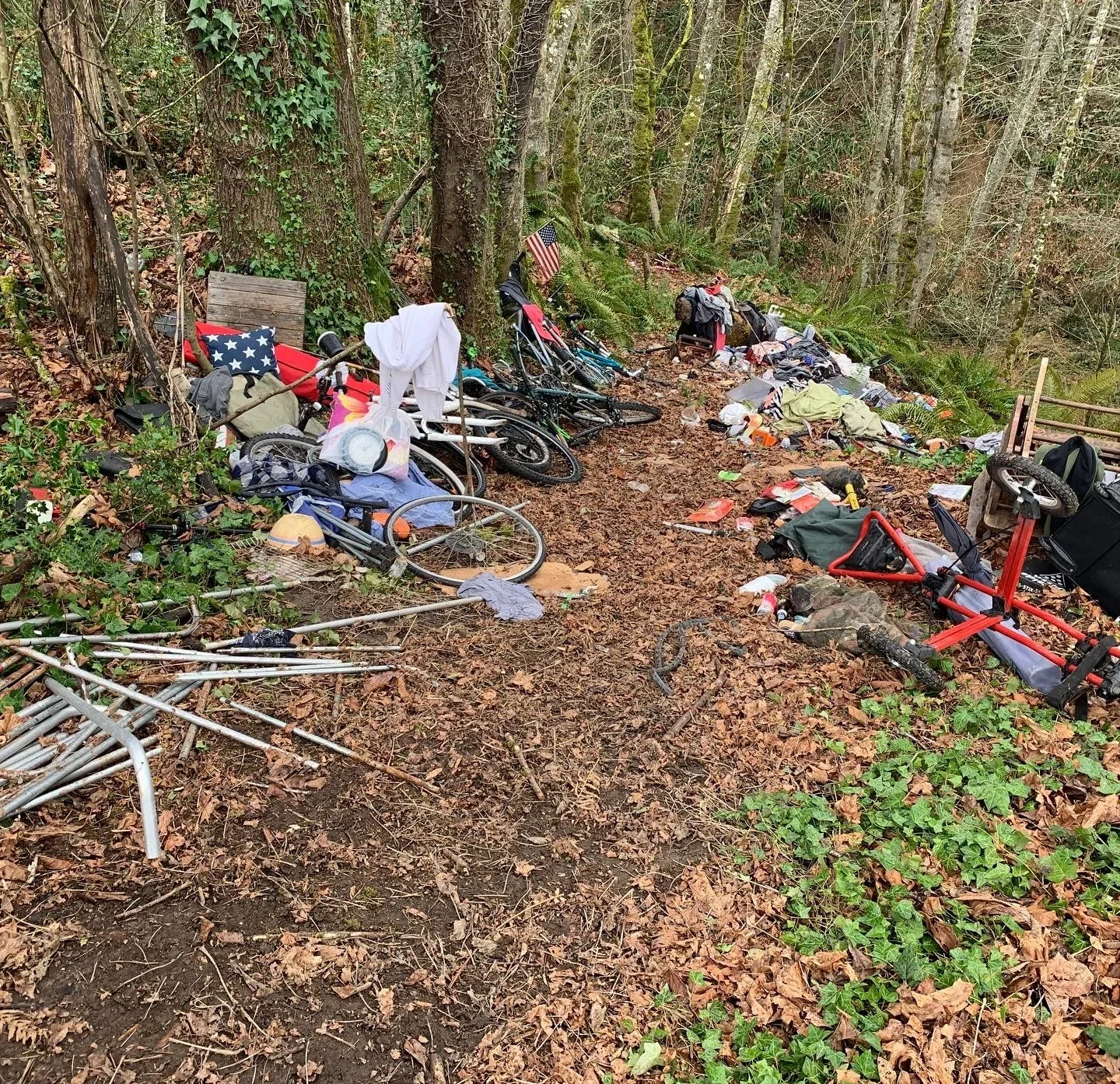
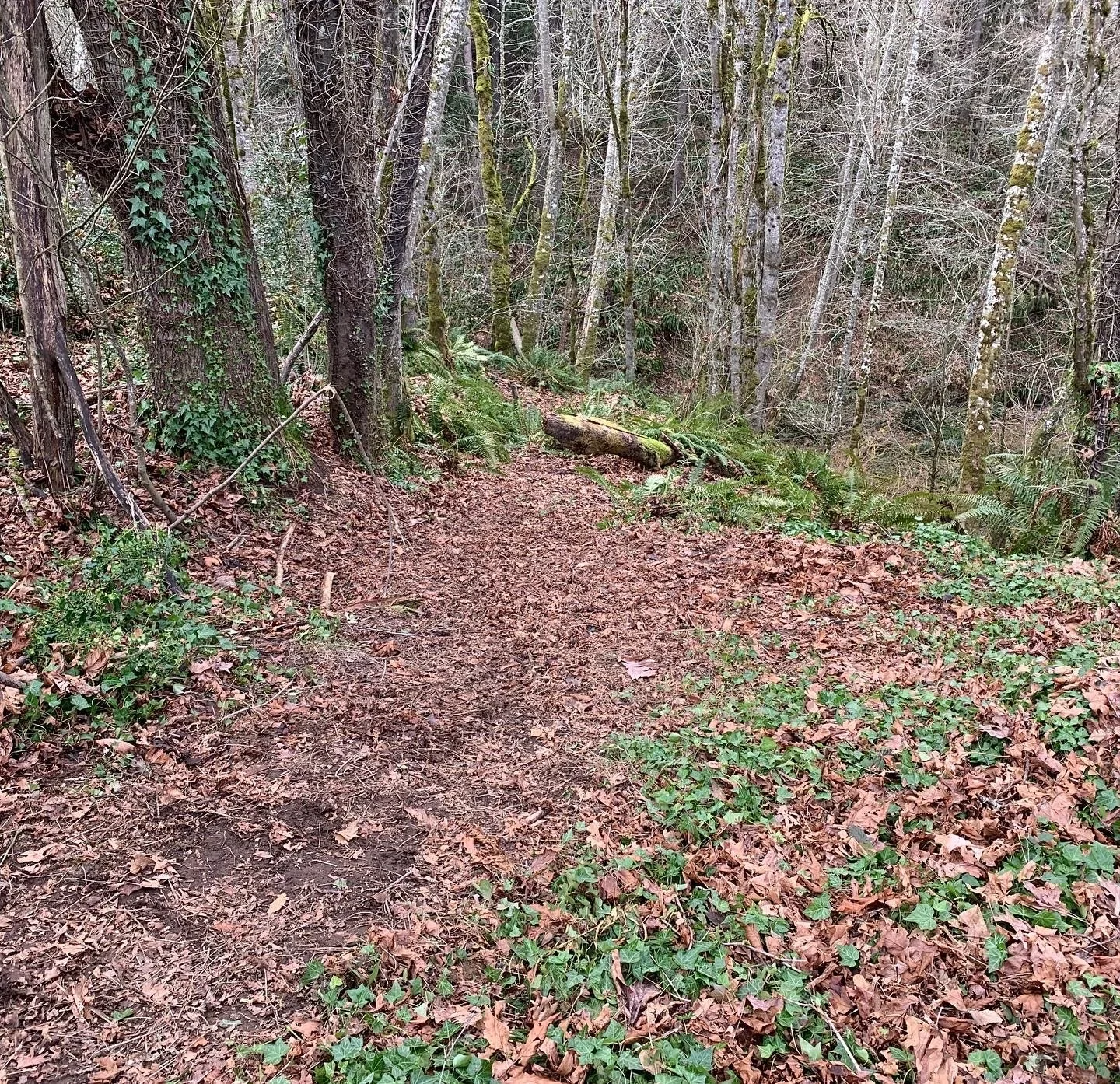
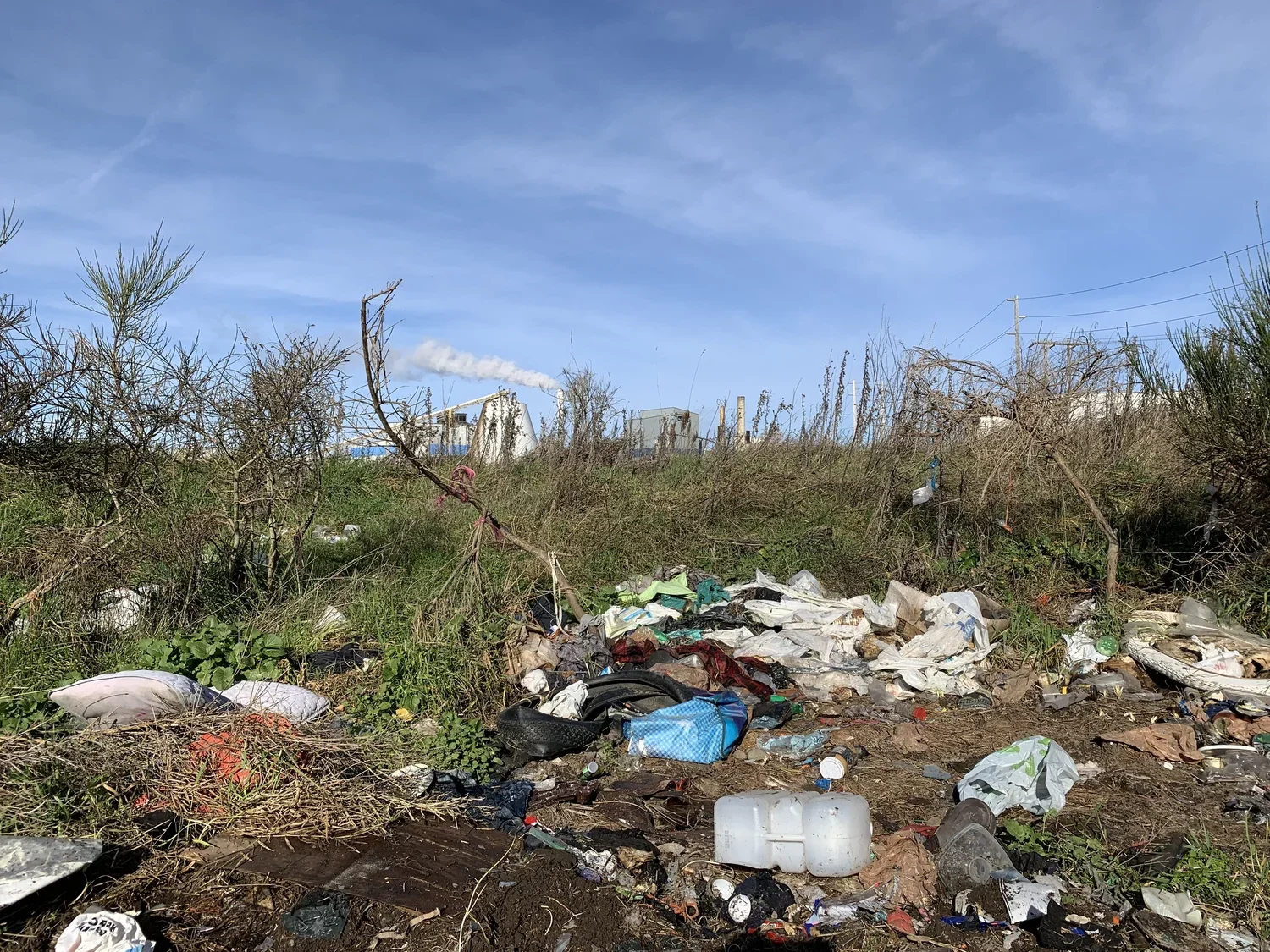
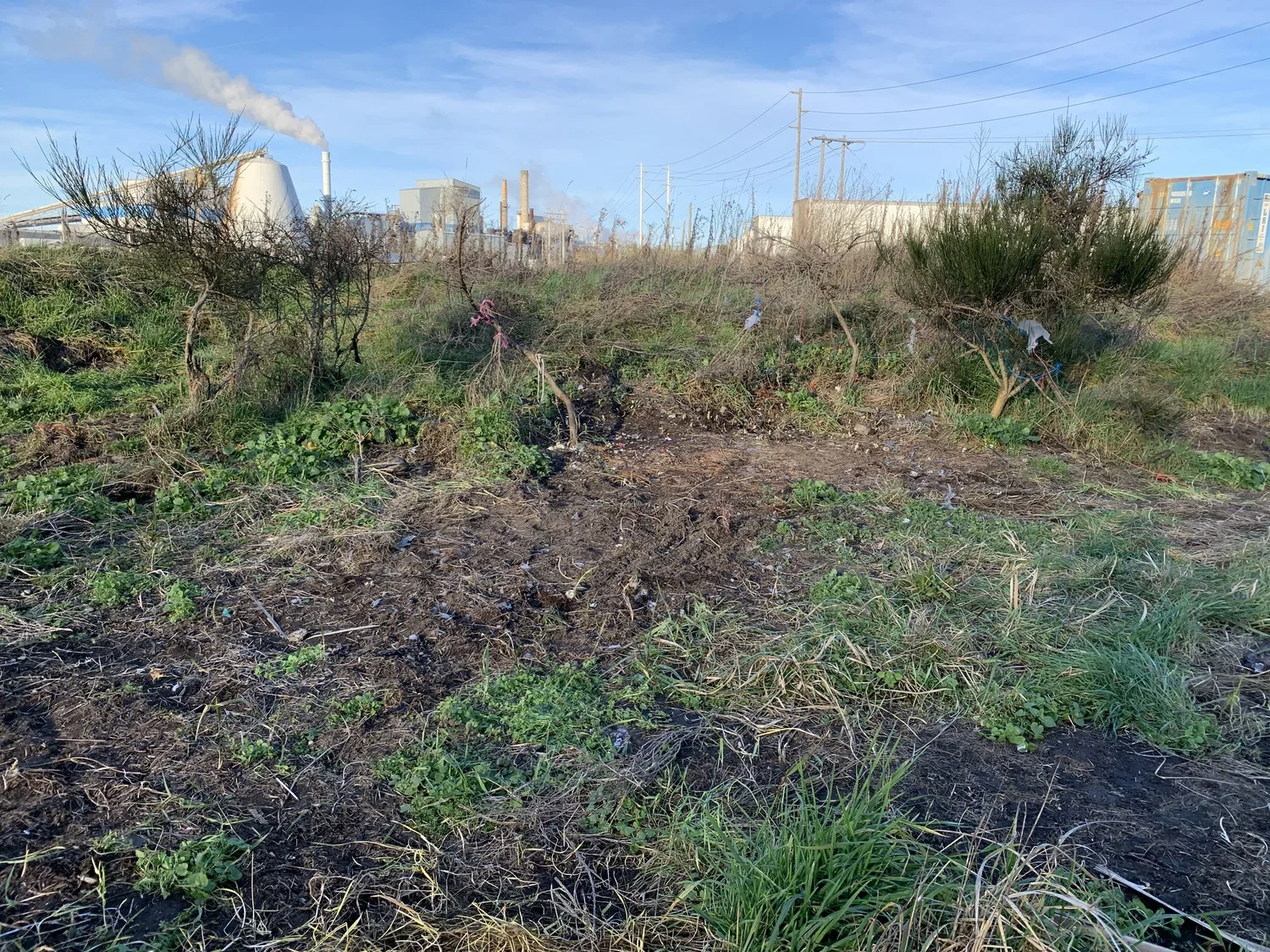
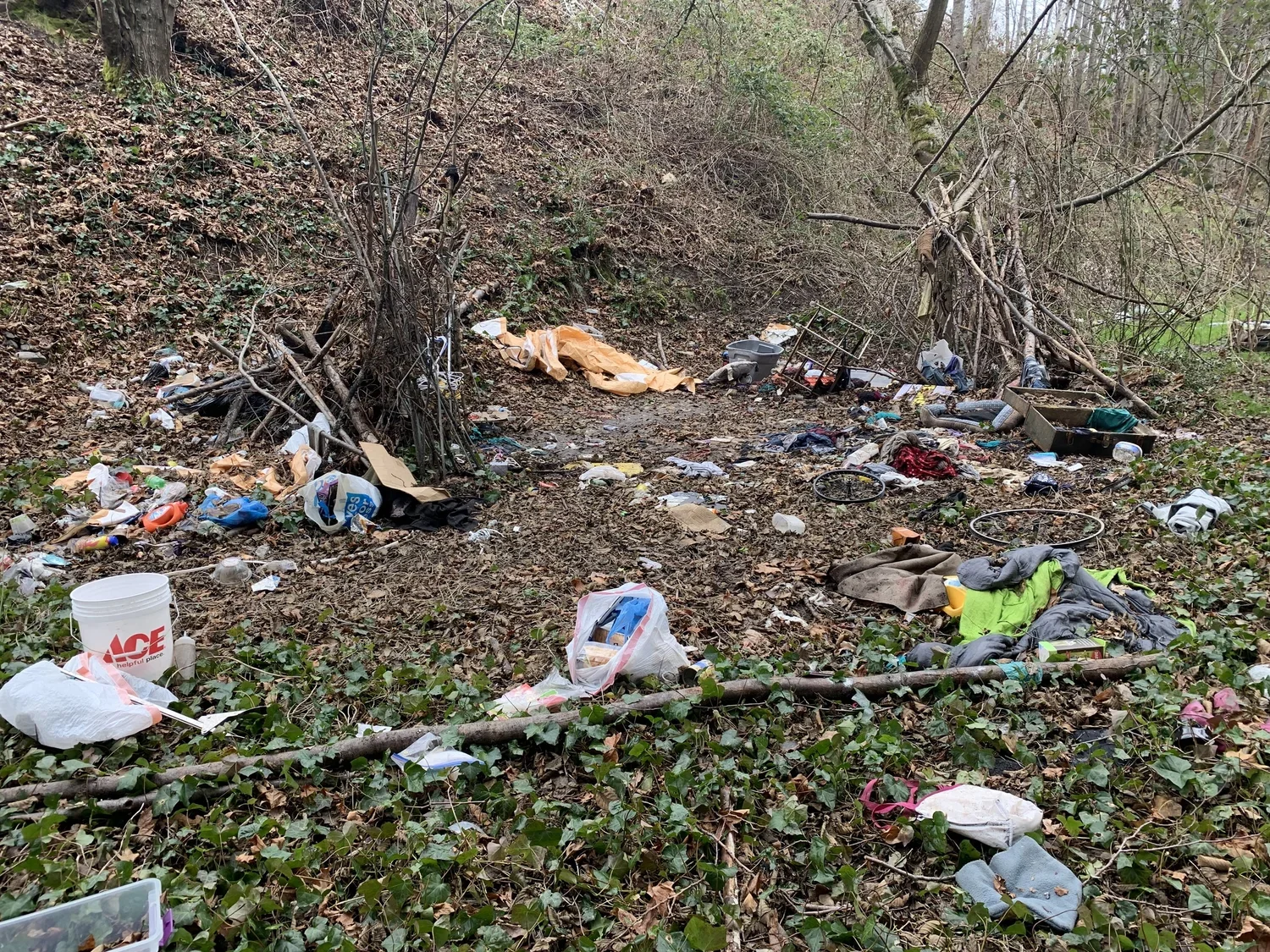
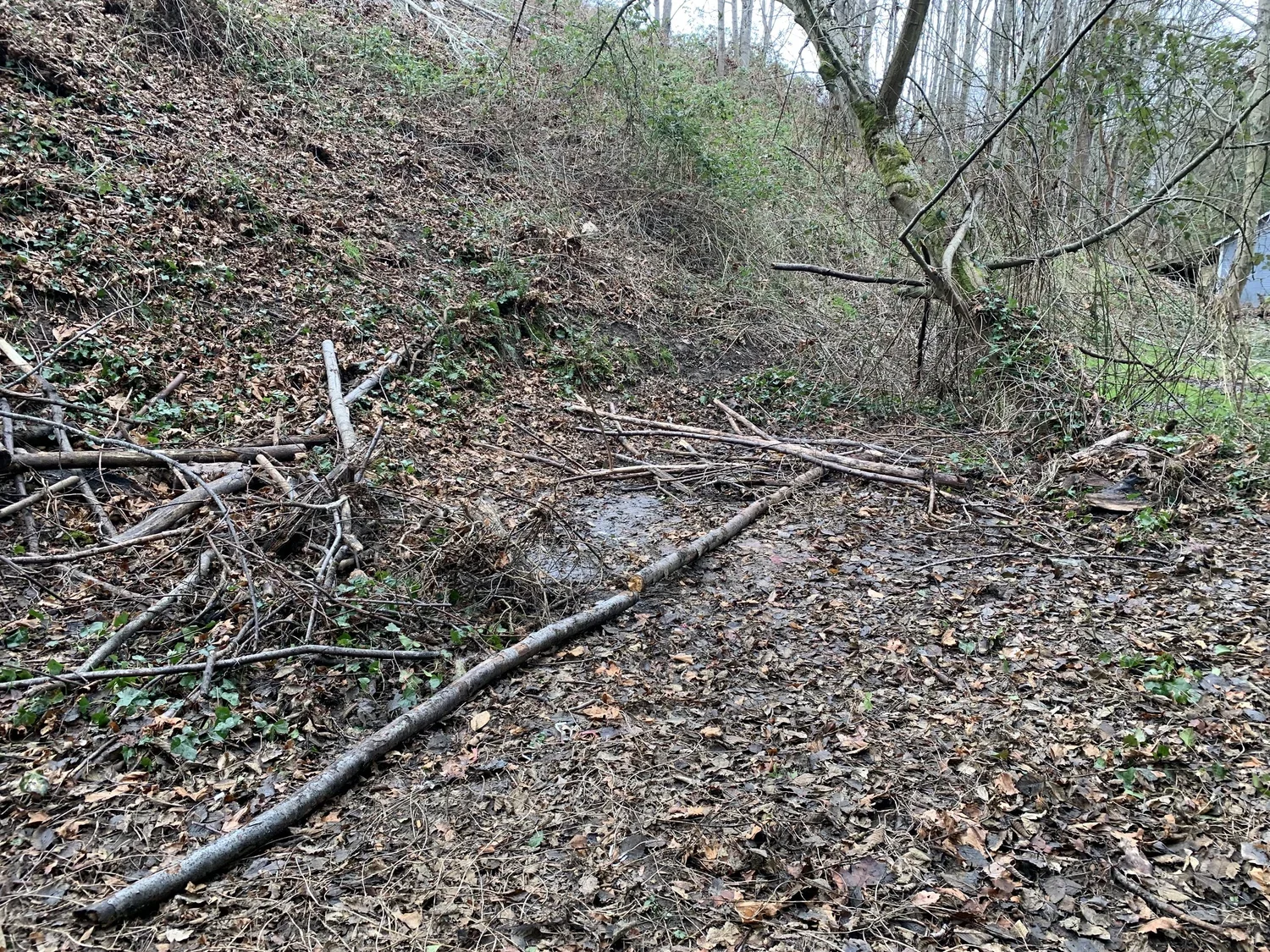
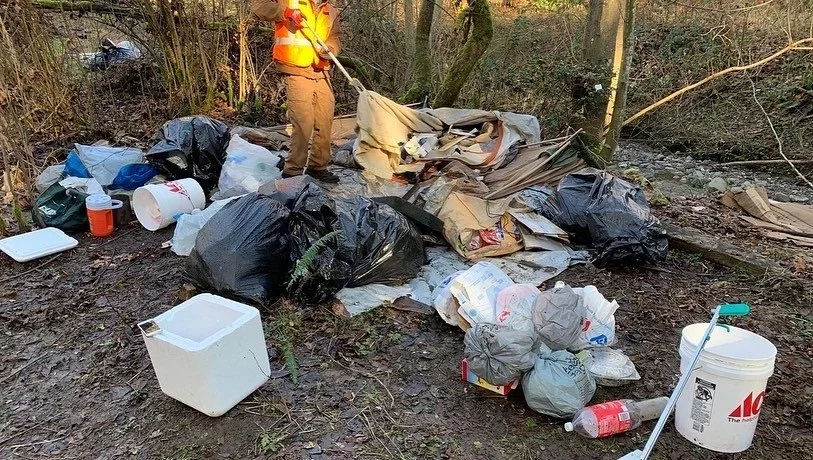
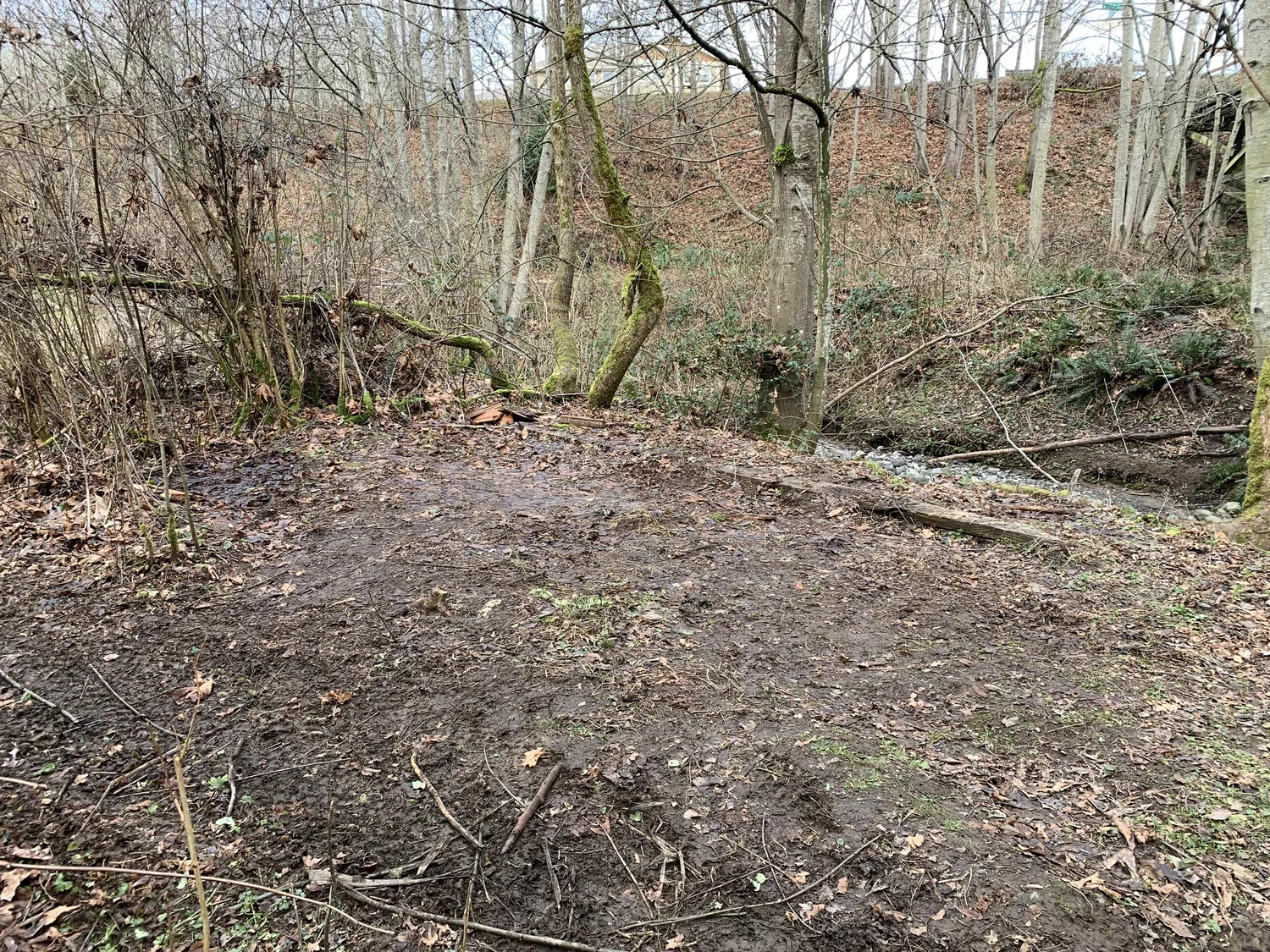
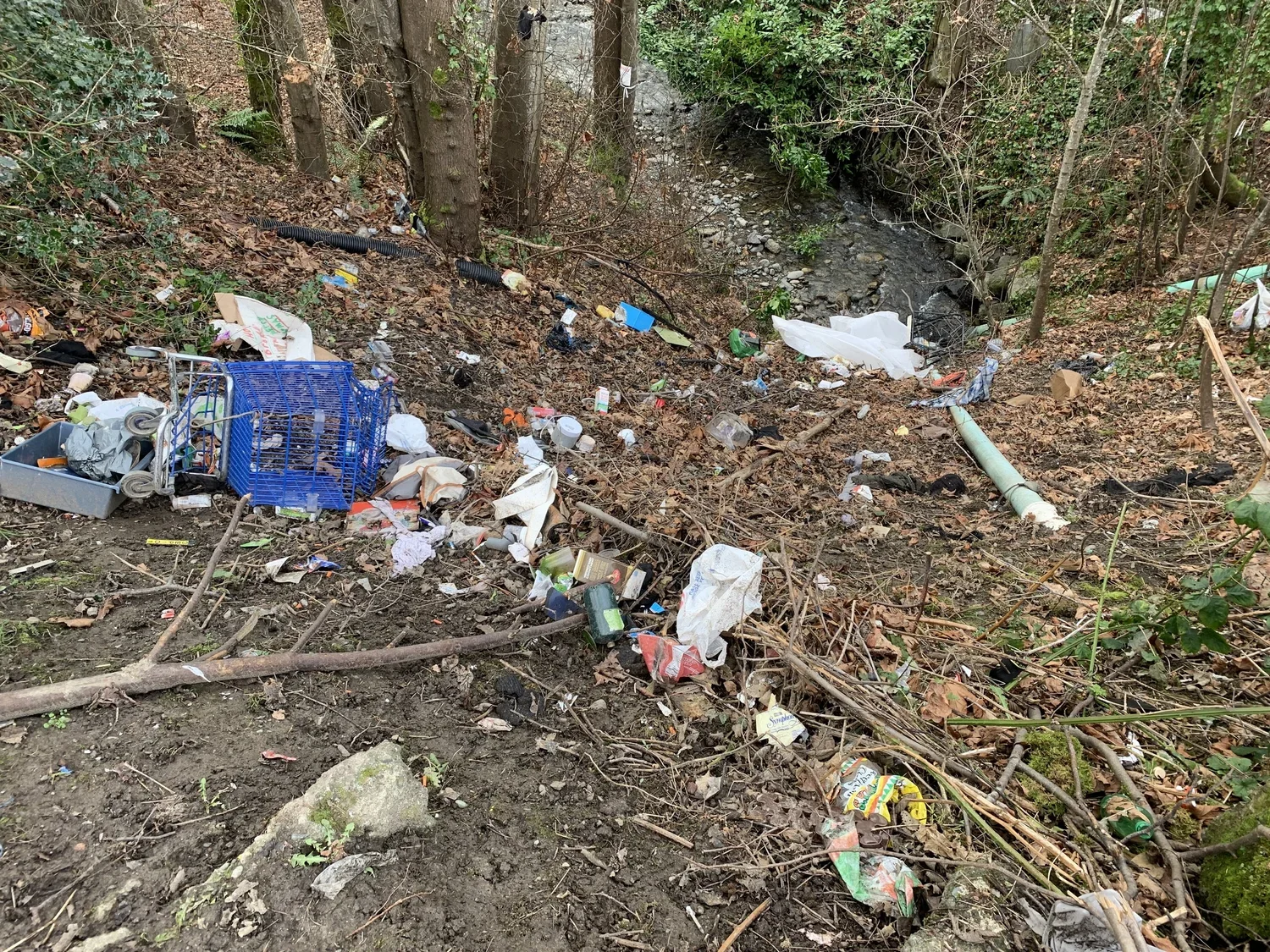
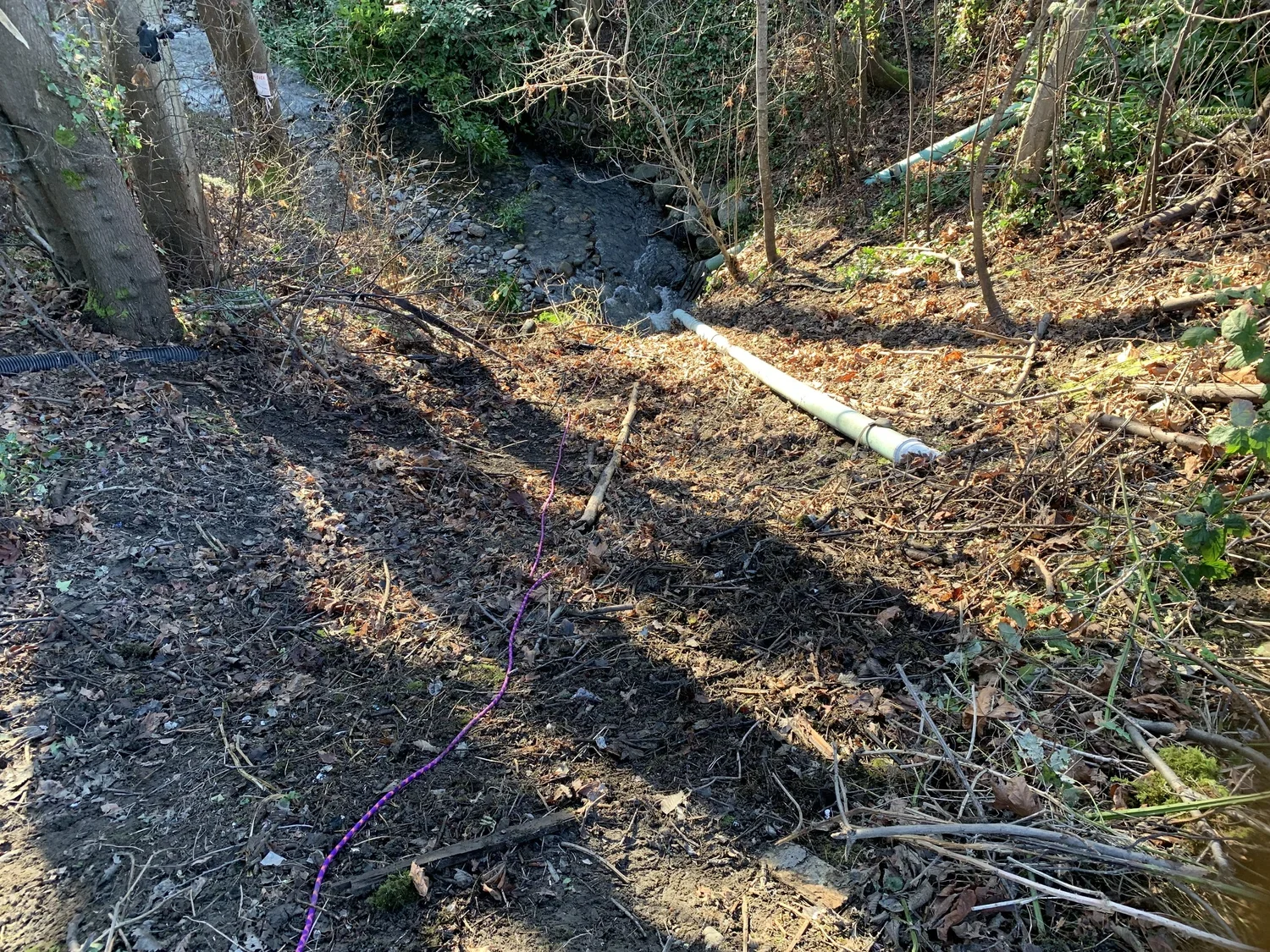
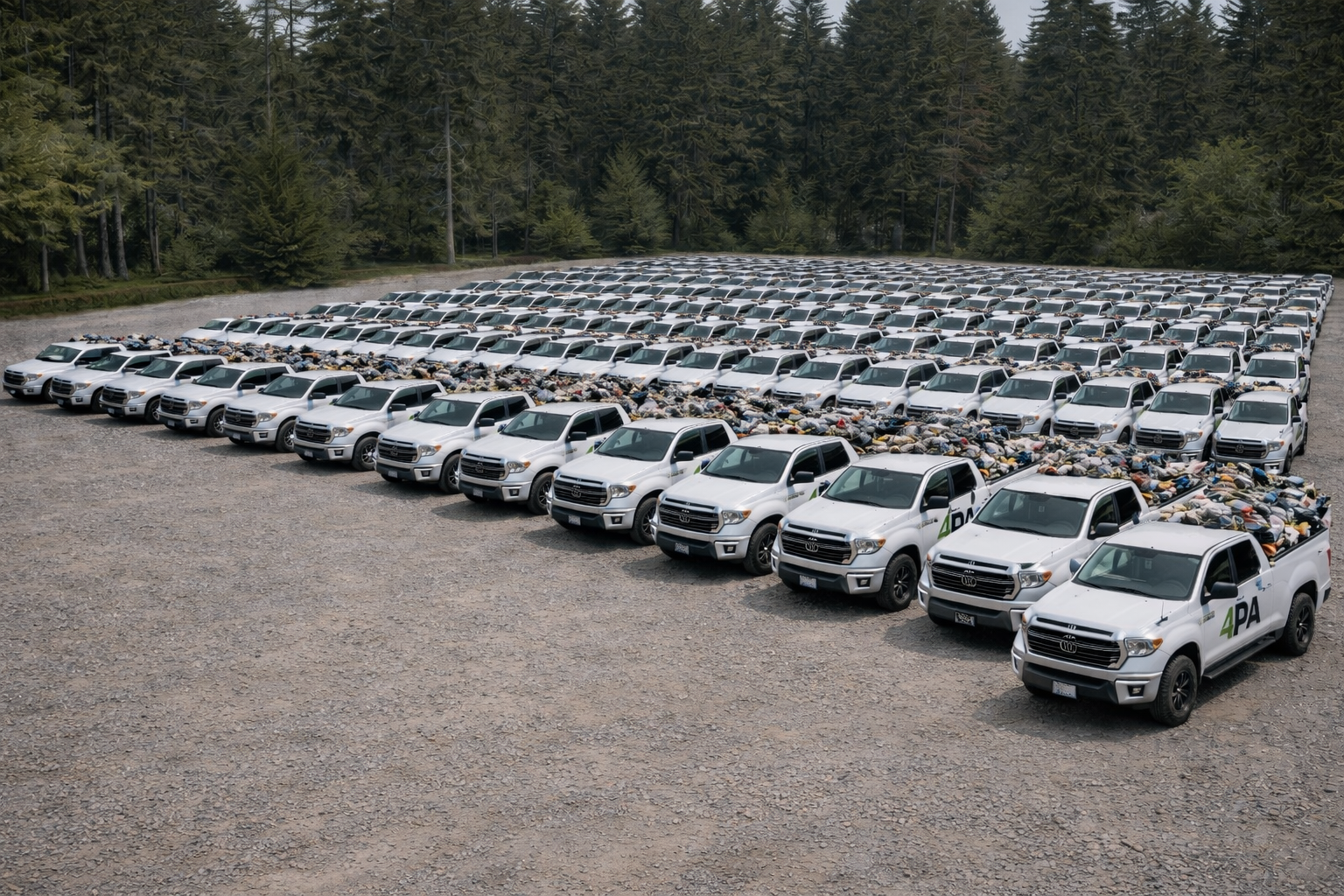
Garbage removed (lbs):
497,530
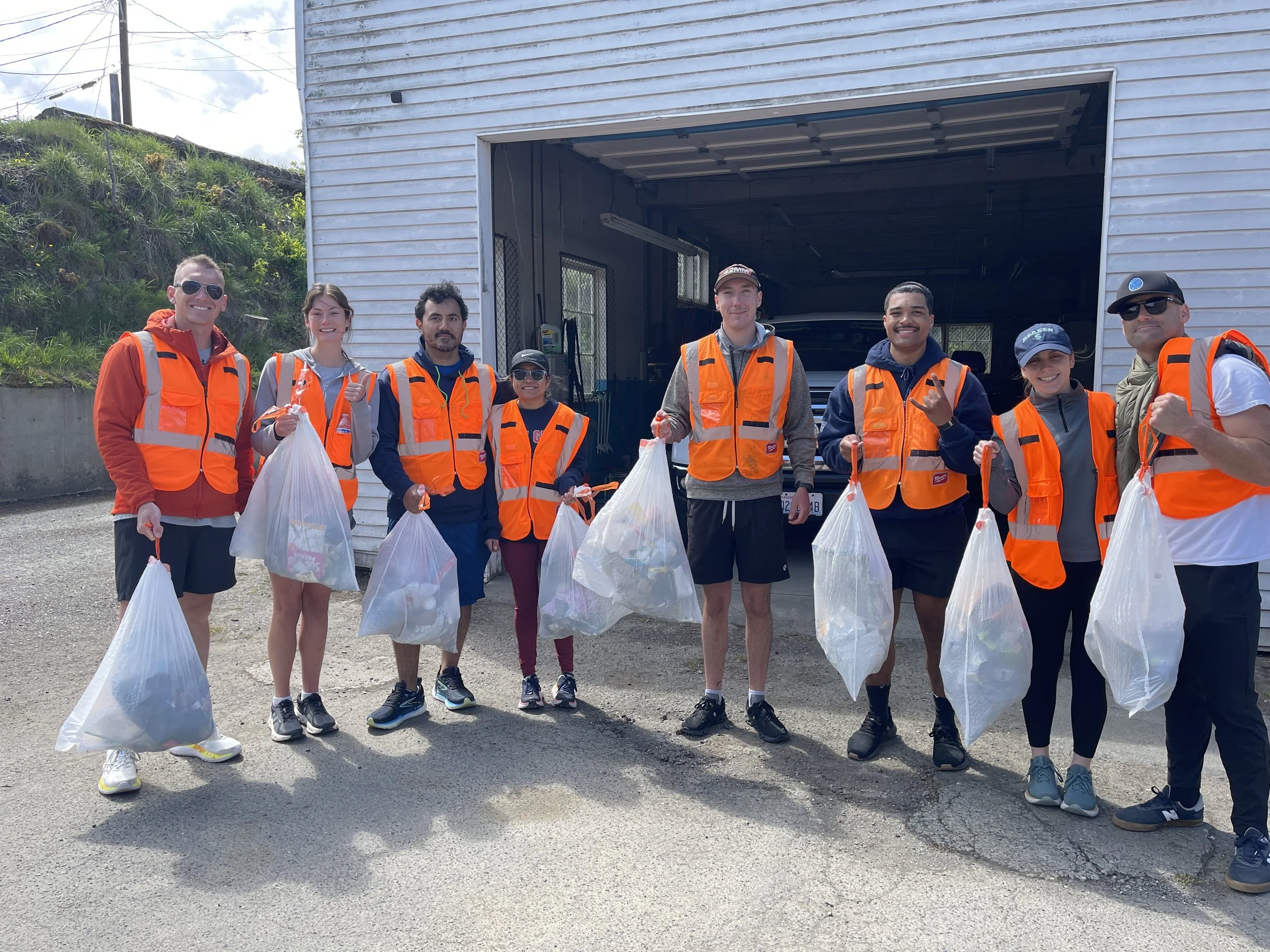
Volunteers since 2021:
464
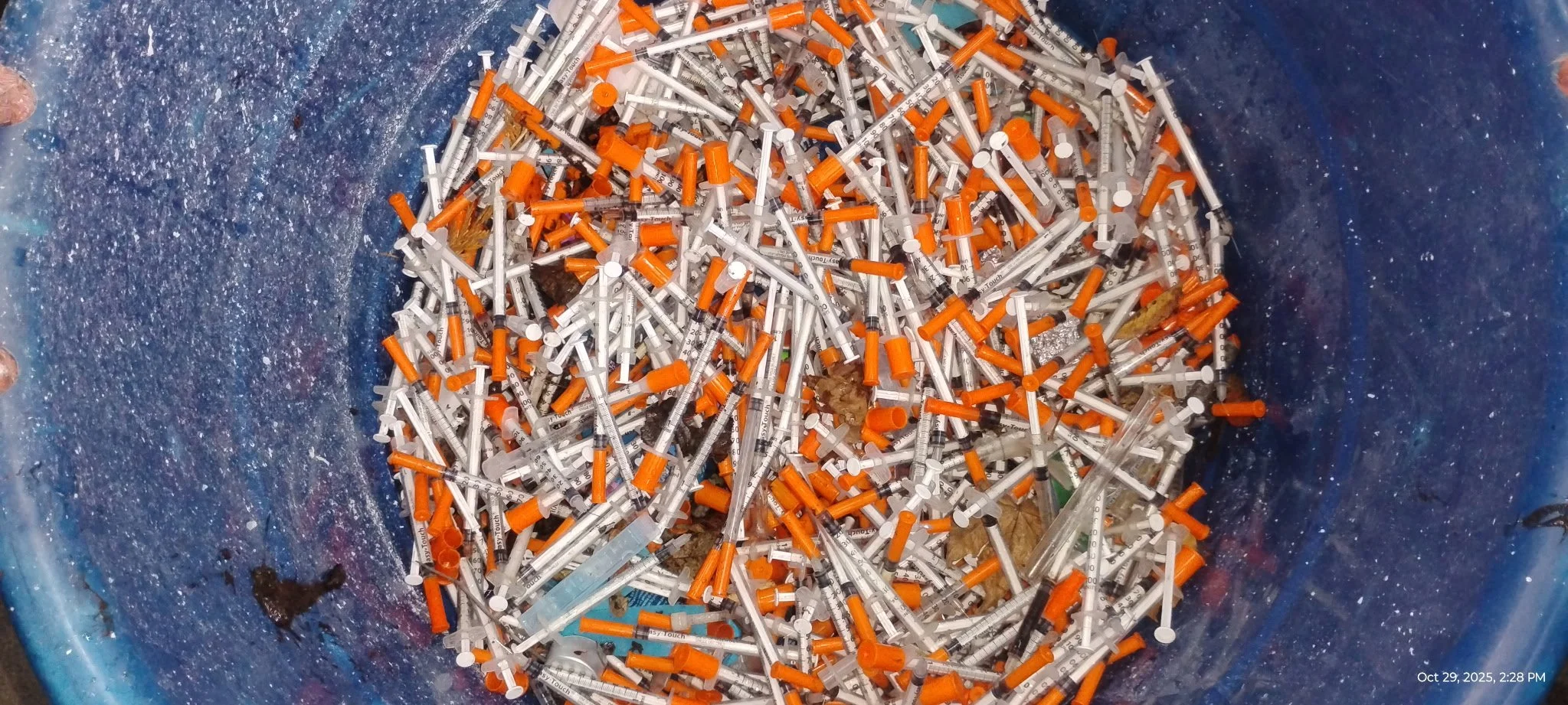
Needles removed:
38,651
Common Questions:
“What do you do when you find an encampment and how do you know if it’s abandoned?”
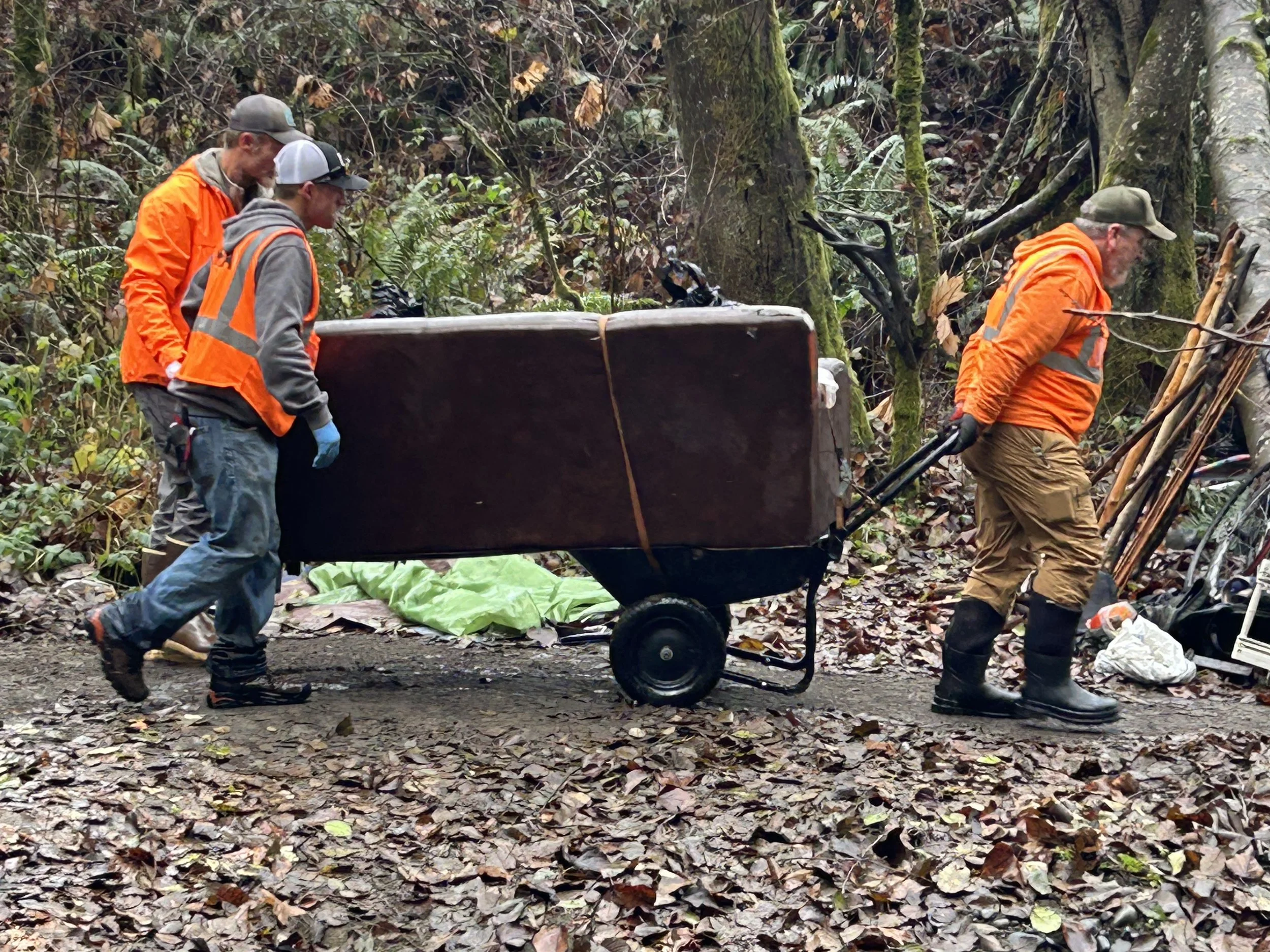
At 4PA, we’re extremely careful about how and when we clean up outdoor encampments. We only step in when we’re 100% confident a spot has been vacated, and we use several checks to make sure no one loses something they rely on.
Here’s how we confirm a site is abandoned:
We look for clear signs of vacancy. If there’s no sleeping setup, no personal belongings, and the area shows obvious long-term exposure - like moldy materials, weather damage, or rodent issues - it’s an indication people have moved on.
We often talk directly with the people who were there. Our team knows many of the people living outdoors, and we often communicate with them in-person (or even by phone) to confirm they’re done with a location.
We check in with outreach partners. Local service providers often know when someone has moved to a new spot, entered treatment, found safer shelter, or had another change in circumstance. They keep us in the loop.
We coordinate with law enforcement when needed. In some cases - like arrests or relocations - police confirm a site is no longer in use.
We never remove a tent, sleeping bag, or personal item until every partner and every sign tells us the same story: the site is no longer in use. This extra diligence protects all parties involved and keeps our community clean without causing further harm.
It’s important to note that our team is often the first point of contact for people living outdoors in our community. We never remove items from an active camp. Instead, we’re trained to connect individuals with local resources whenever they’re willing to engage.
Our vital watersheds
Tumwater Creek and Peabody Creek flow from the Olympic Mountains, through the heart of Port Angeles into the Strait of Juan de Fuca. These areas continue to be a focal point of our work to make sure they remain clean and safe for everyone.
Tumwater Creek
Peabody Creek